Play Movie


Listen
to Katherine Kennard
reading this story


THE SPIRIT OF BIZEN
Hitoshi Morimoto
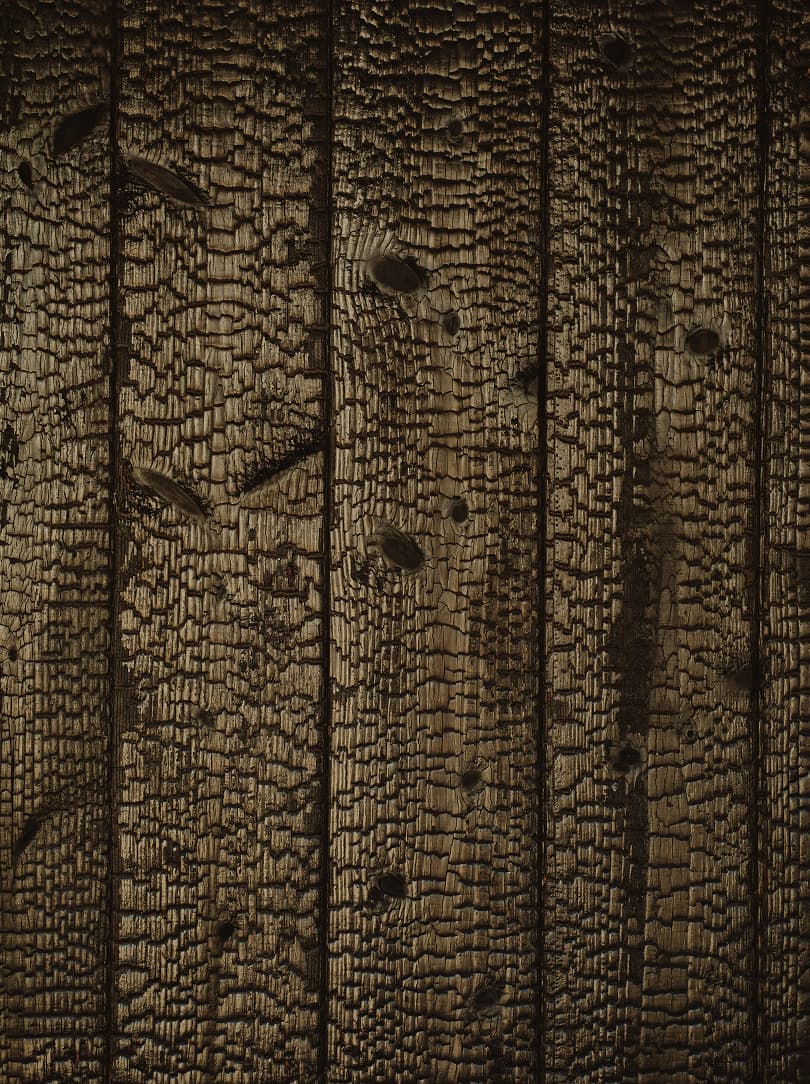
The ‘yakisugi’-clad studio shimmers in the mid-morning sunlight, its traditional charred cedar panels taking on an almost metallic, scaly quality. Minimalist and striking, the rectangular structure perches at the edge of a short, sheer drop to a dry gully, fringed with bamboo and thick foliage, beyond which the rural town of Bizen comes into view. Behind us, rolling hills rise steeply, dense with scrub and brush, with no other house in sight. The occasional bird soars overhead in the clear blue sky. We inhale deeply, taking in the crisp air and the profound quiet.

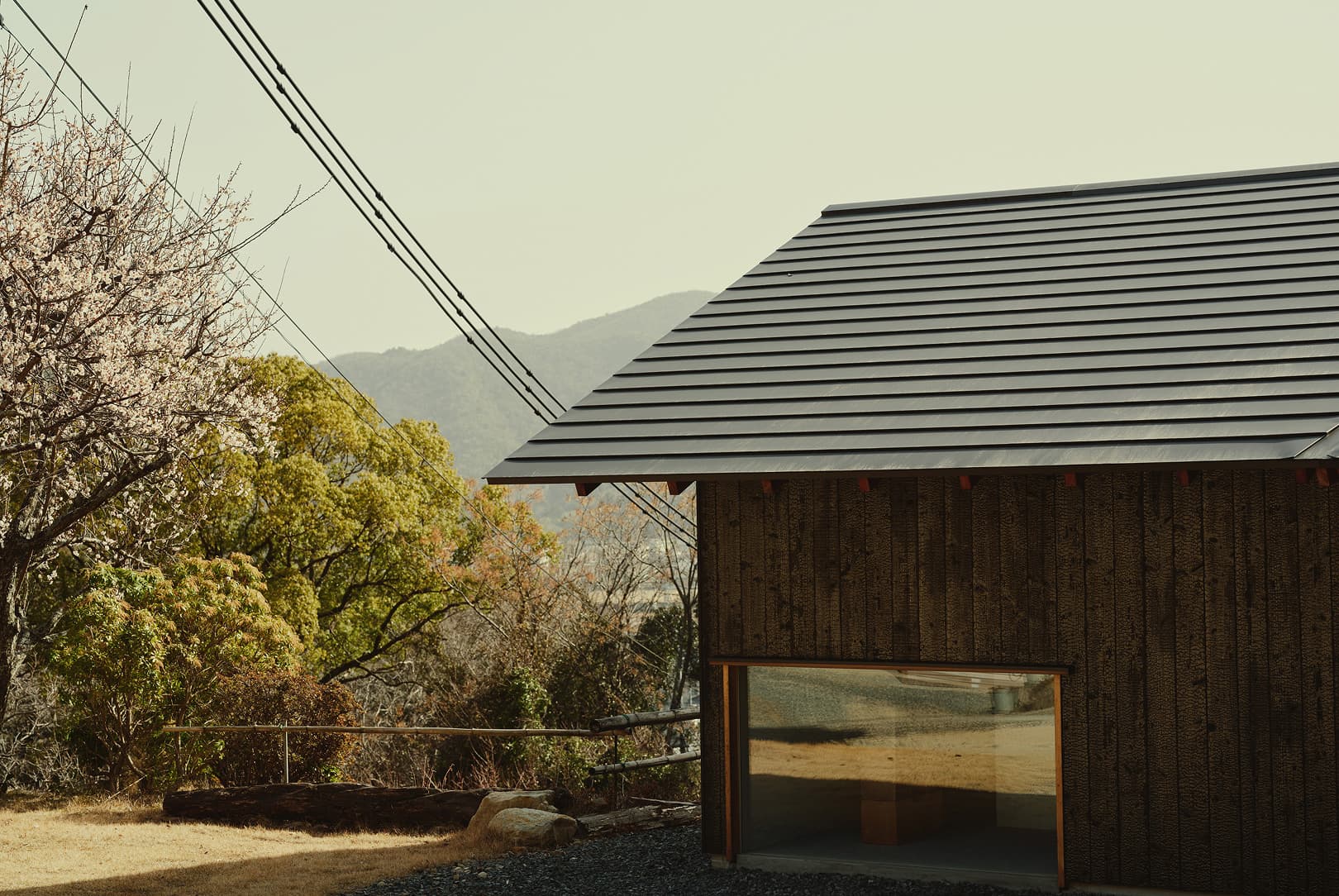
We are standing just beyond the studio’s shadow, basking in the late-winter warmth, with Hitoshi Morimoto, who specialises in handcrafting Bizen ceramics – a tradition rooted in this region of Okayama Prefecture since the late Heian period, about a thousand years ago. He is also the latest artisan to join AGOBAY’s family of craft makers.
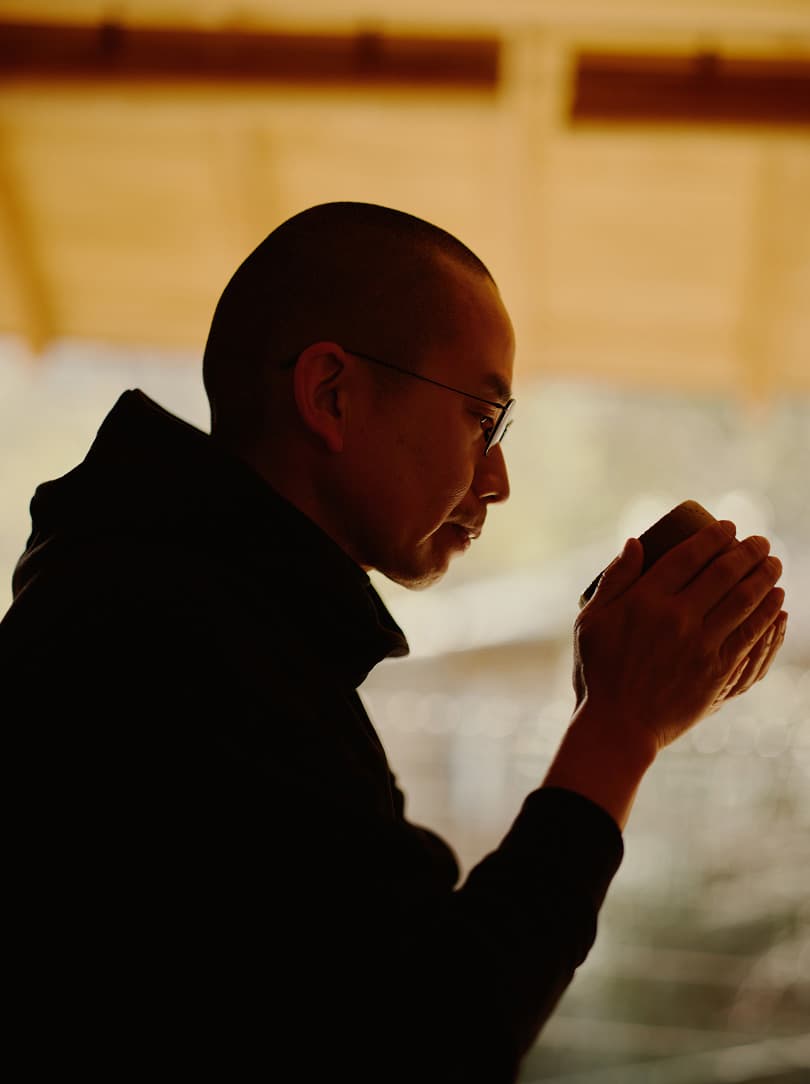
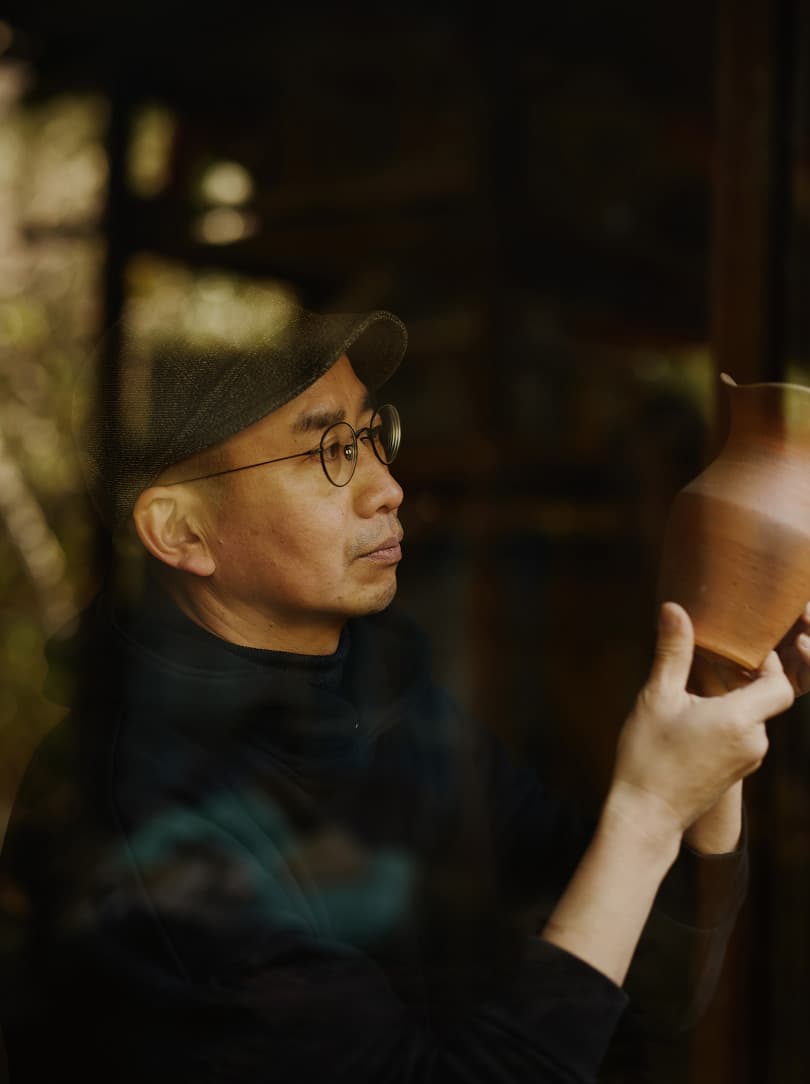
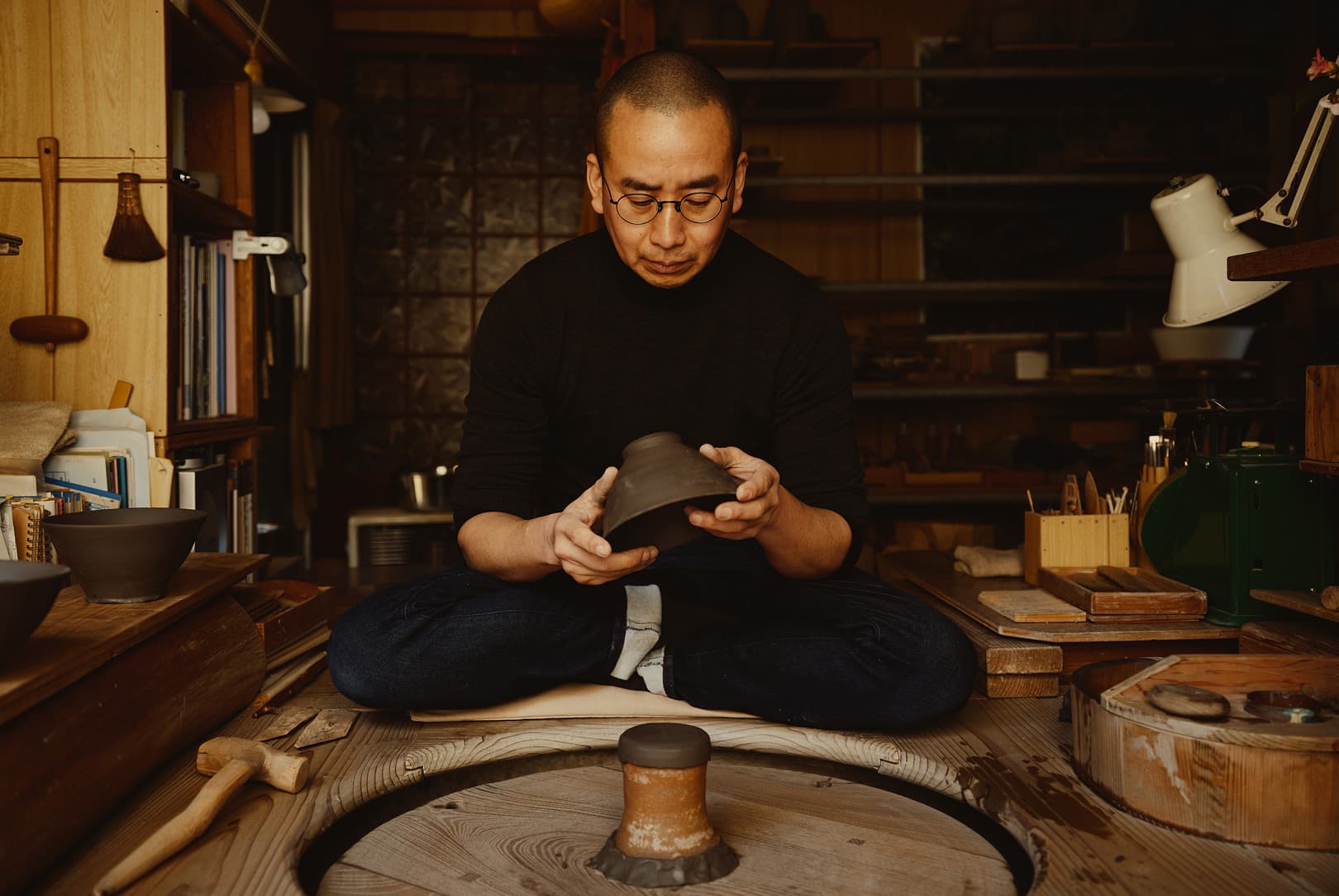
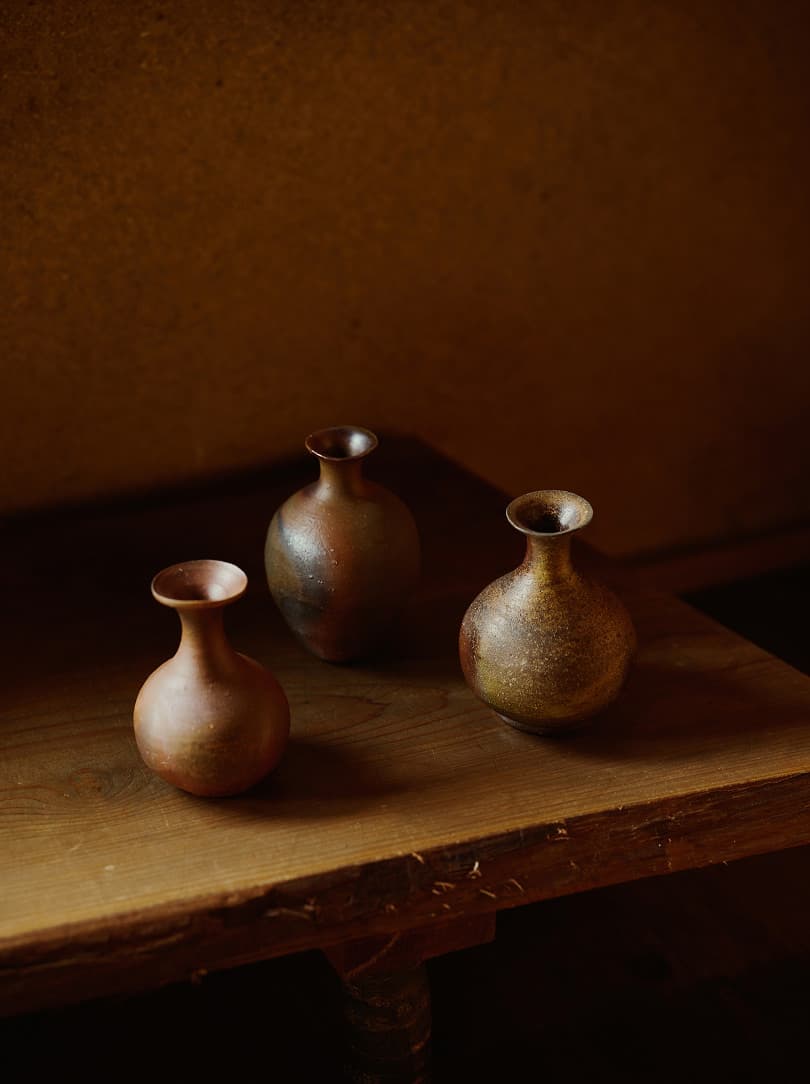
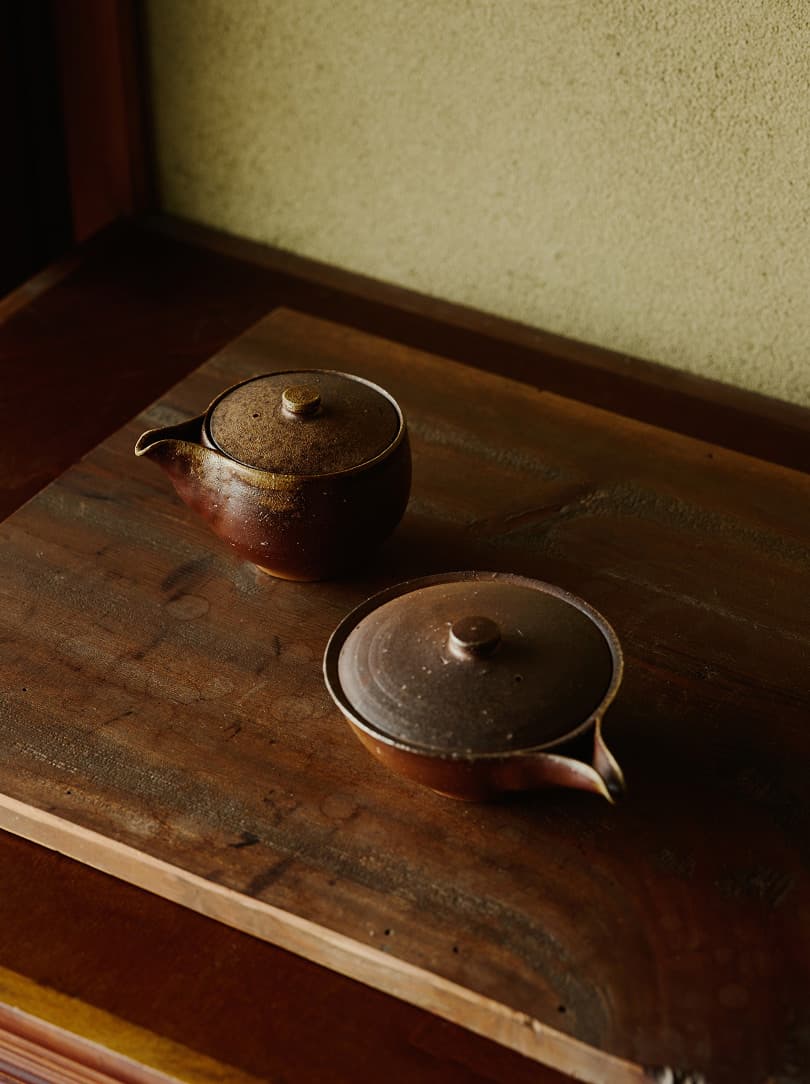
Wrapped in a plain black hoodie, dark blue jeans and black trainers, with closely shaved hair and round wire-rimmed spectacles, he explains that Bizen is one of Japan’s Six Ancient Kilns, a group of historic pottery centres whose traditions date back centuries. Formed from the iron-rich clay of the surrounding hills and fired without glaze, Bizen ware allows flame, ash and time to leave their mark directly on the tactile surfaces.
Not far from the studio stands Morimoto-san’s two-storey home – separated by two flowering plum trees and a wide gravel path – where he lives with his wife, Chieko, their three young daughters, and his parents. The proximity between living and working spaces reflects a way of life common among ceramicists here, allowing the rhythms of family and craft to unfold side by side. Morimoto-san was born into this environment, absorbing the techniques of Bizen pottery from his father, through whom the craft has been passed down.
“Natural light really shows the true form of things. So, I also think that what I create looks most beautiful in natural light.”
HITOSHI MORIMOTO
“My workshop, down the hill, was originally our family house when I was growing up,” he tells us, gesturing beyond the studio. “Half of it was turned into my workshop. Now we also have our large house, where I live with my own family and my parents. We have dinner together there and spend time with the children. There’s also a kiln site just up from the workshop, and this recently built studio.”
Built in 2024, the modern studio reveals itself to be airy and serene when we step inside. White walls, light timber beams and a concrete floor outline the sparse, deliberate space, while a wooden platform with an inset manual potters’ wheel – yet to be used – lies at its core. Wide sliding-glass panels have been opened completely along the platform, merging the interior with the lush outdoors and letting in floods of light. “Natural light really shows the true form of things,” says Morimoto-san. “So, I also think that what I create looks most beautiful in natural light.”
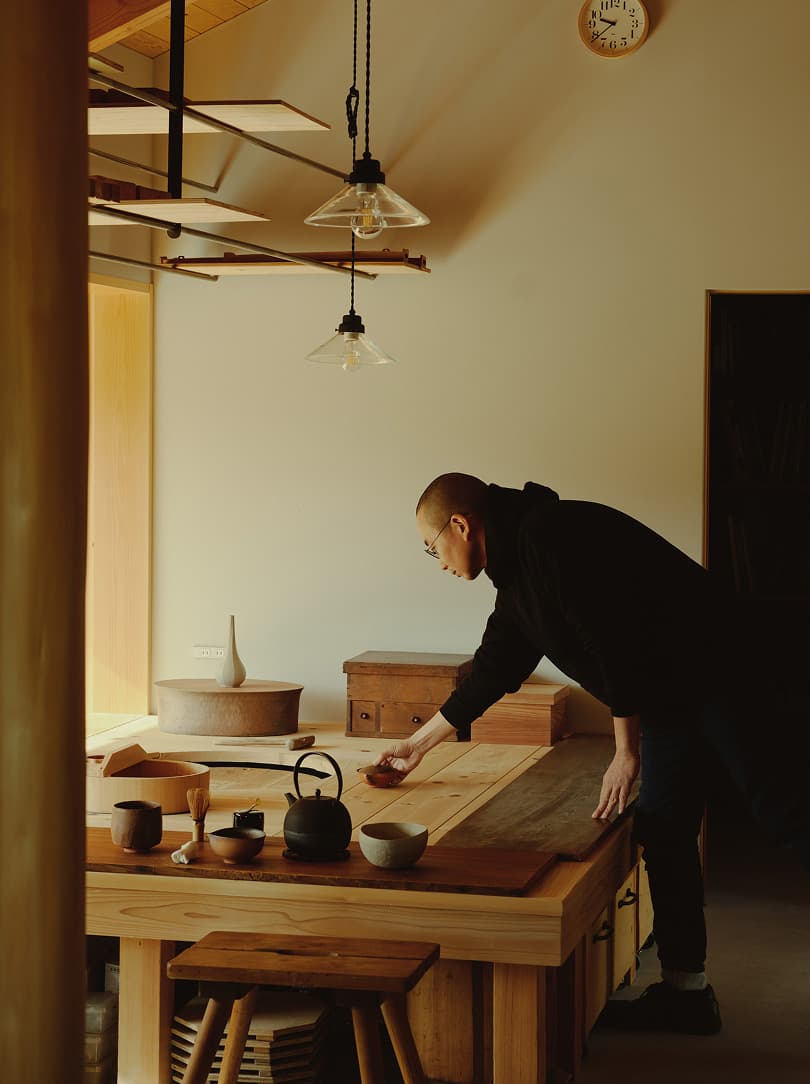

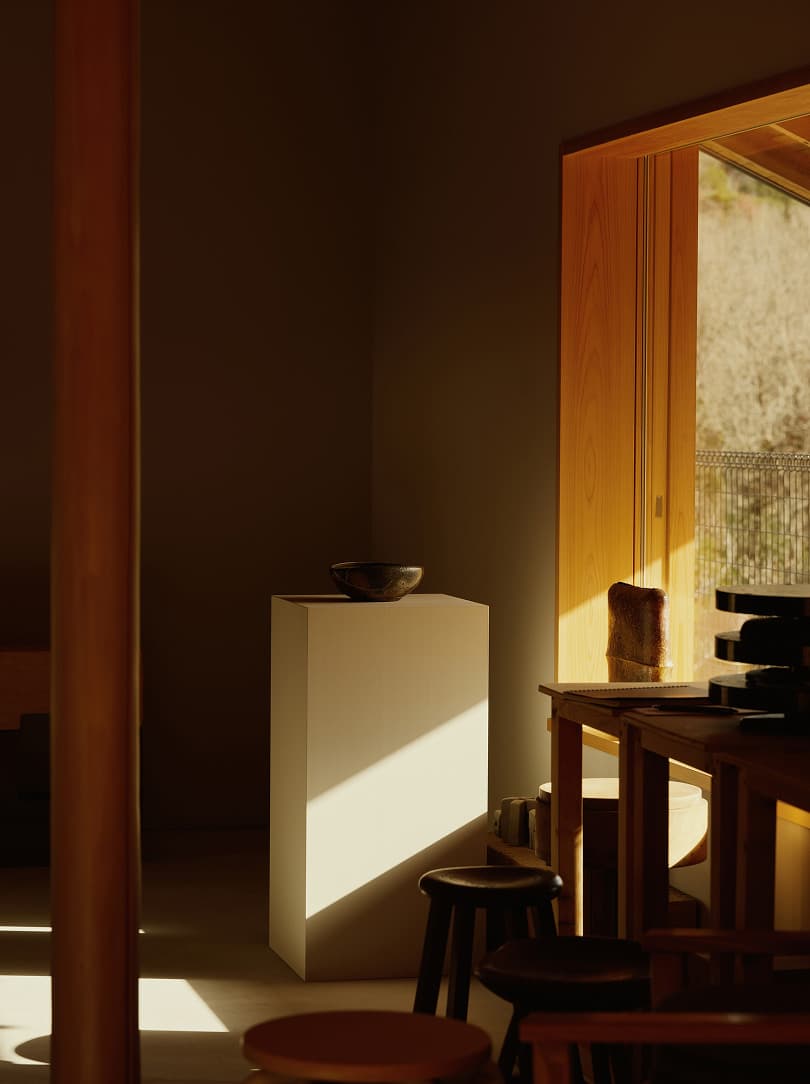
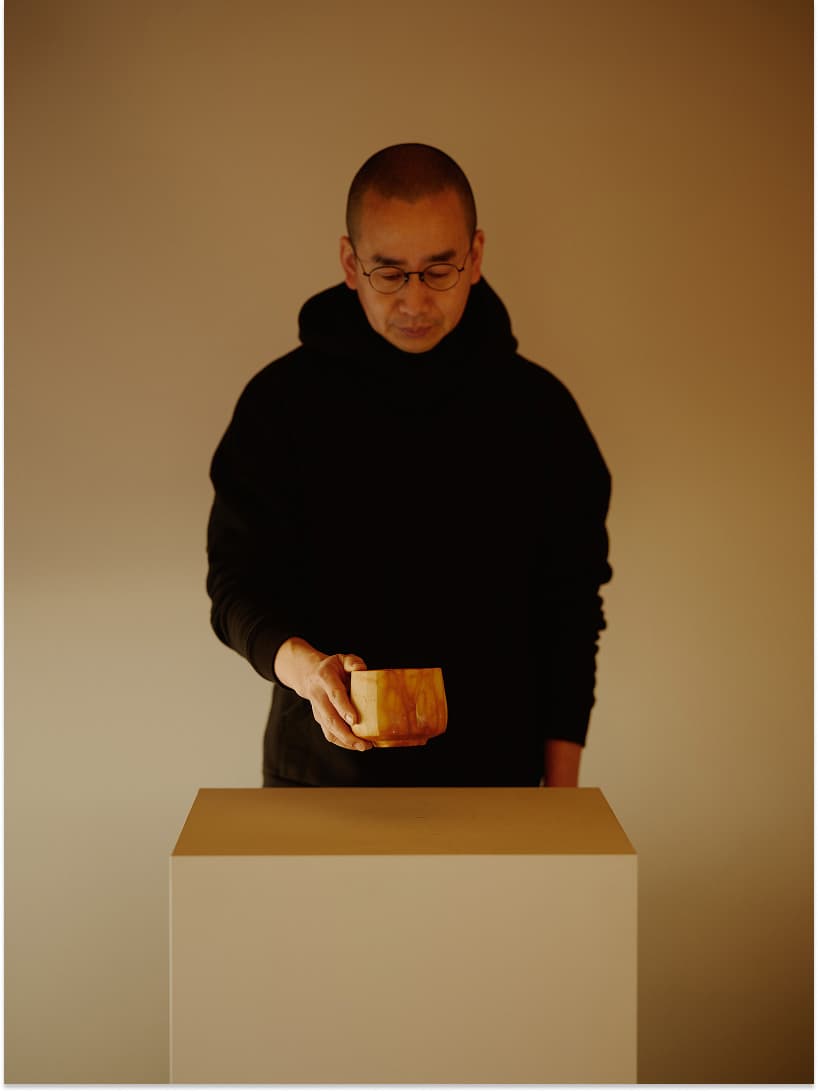
To the left of this work area is a gallery space displaying a few of Morimoto-san’s large-scale sculptures – similar to those in his recent solo show, ‘Ceramic City’, at Guild Gallery in New York – and some smaller bowls and vessels on white plinths. At first glance, the pieces appear deceptively simple. Some even look as if they’re made from metal. On closer inspection, their beauty is evident in the subtle variations of tone – iron reds, deep browns, smoky greys – and in the unglazed surfaces shaped by the unpredictable movement of flame inside the kiln.
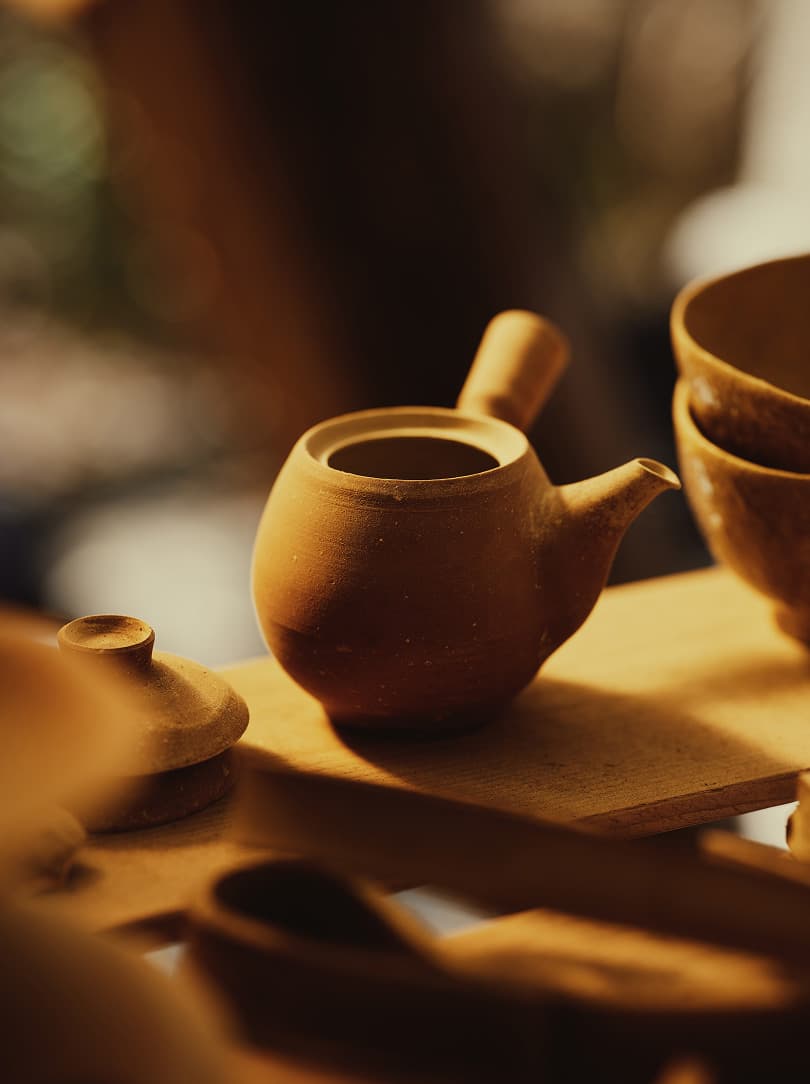
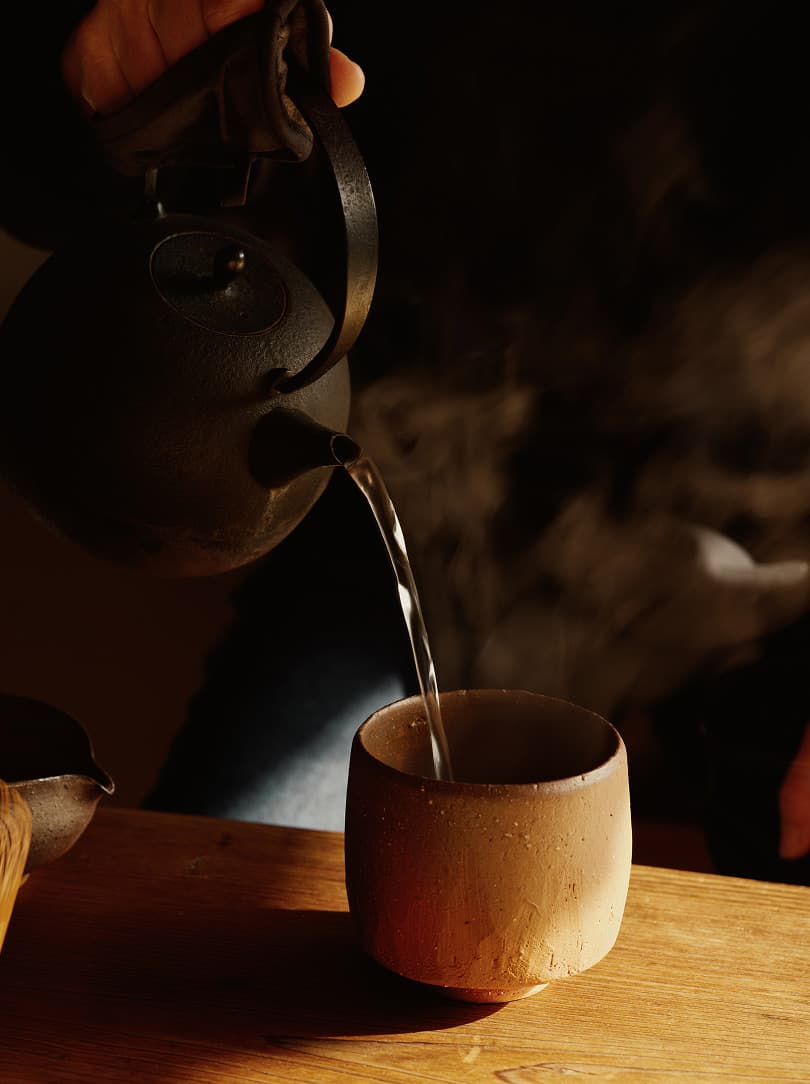
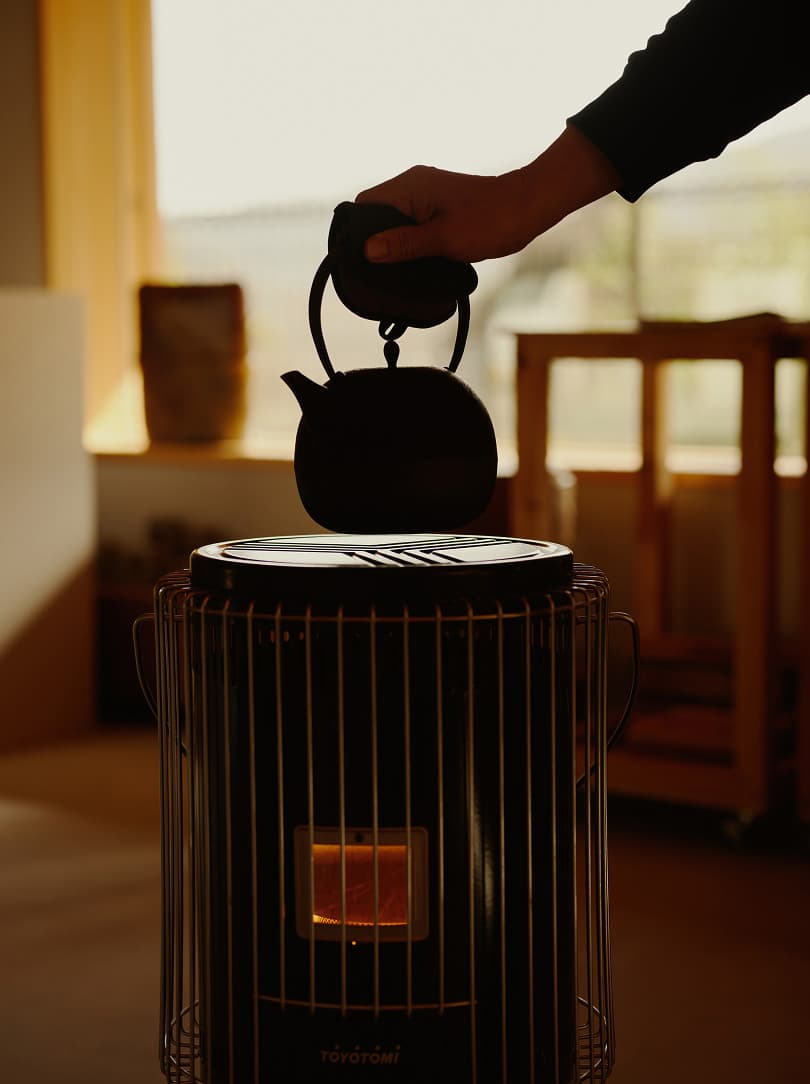
Some low, rustic wooden stools and long benches are placed thoughtfully about the room. At its centre sits a cylindrical portable gas stove, emitting a welcoming heat as an iron teapot on top begins to boil. Morimoto-san lifts it off the stove and sits at his workbench to prepare matcha. As he sets down the bamboo whisk, lifts the bowl in both hands and sips slowly, he explains that his day begins quietly. Each morning, he walks the short distance from his home to the studio, a small ritual that allows him to settle into the rhythm of work. “Walking in the morning really makes me feel the changes of the seasons,” he describes. “I can feel that it has become a bit warmer or colder, that flowers are about to bloom, or that the clouds are beautiful. These are very small things, but there are so many changes every day… I hope to collect those little moments.”
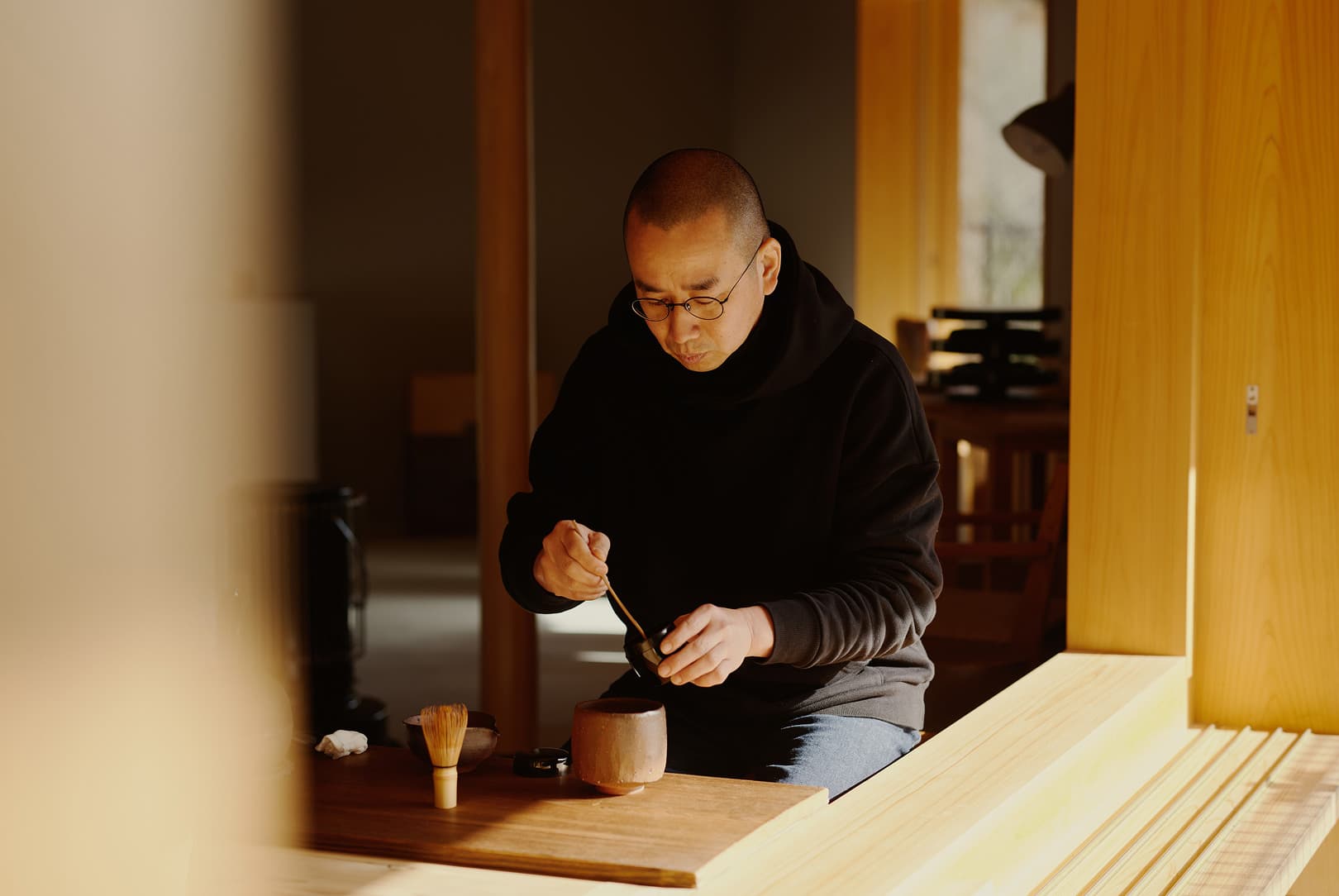
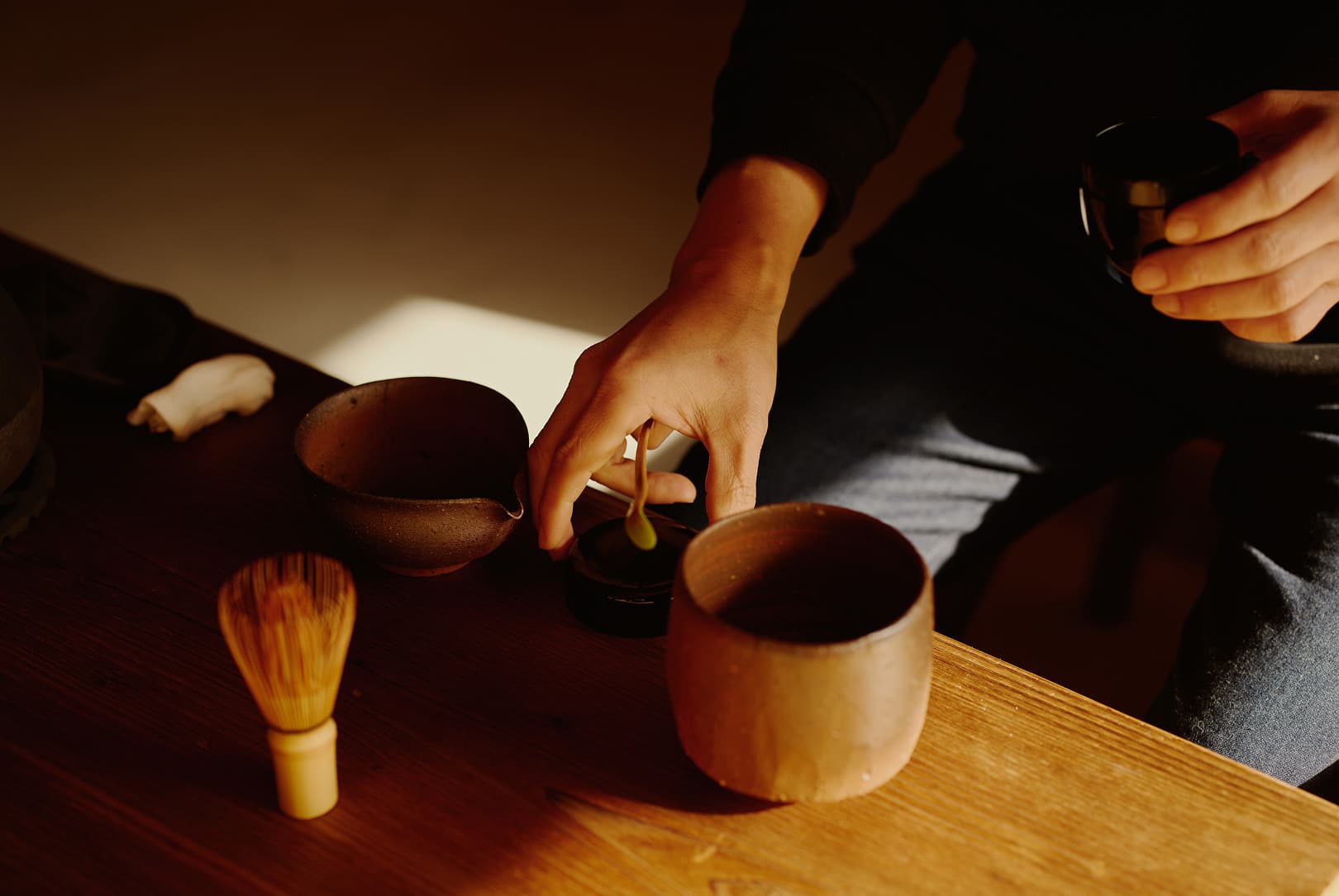
“Walking in the morning really makes me feel the changes of the seasons. I can feel that it has become a bit warmer or colder, that flowers are about to bloom, or that the clouds are beautiful. I hope to collect those little moments.”
Another signifier of the beginning of his day is coming into contact with the soil: “When I touch the soil in the morning, it feels like the start of work – like a switch to change gears. It makes me feel ready to get started.” Morimoto-san carries himself with a quiet assurance – serious and deeply attuned to his work, yet open and kind, with a lightness that surfaces in the occasional joke.
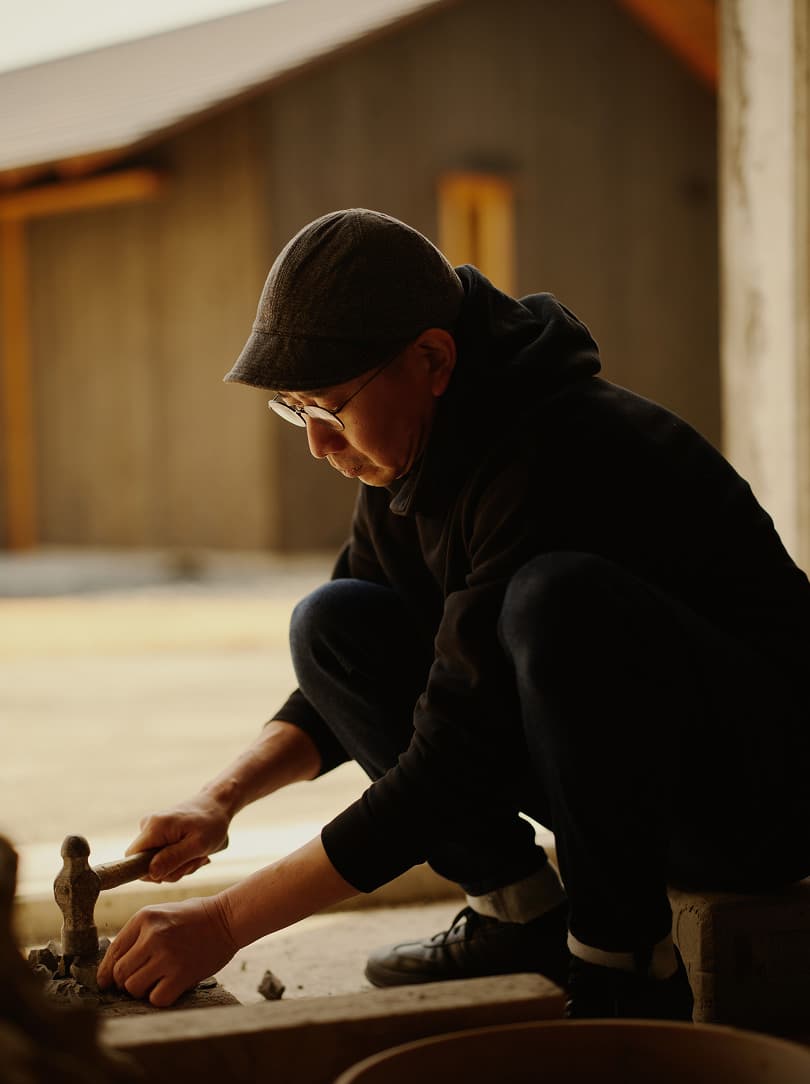
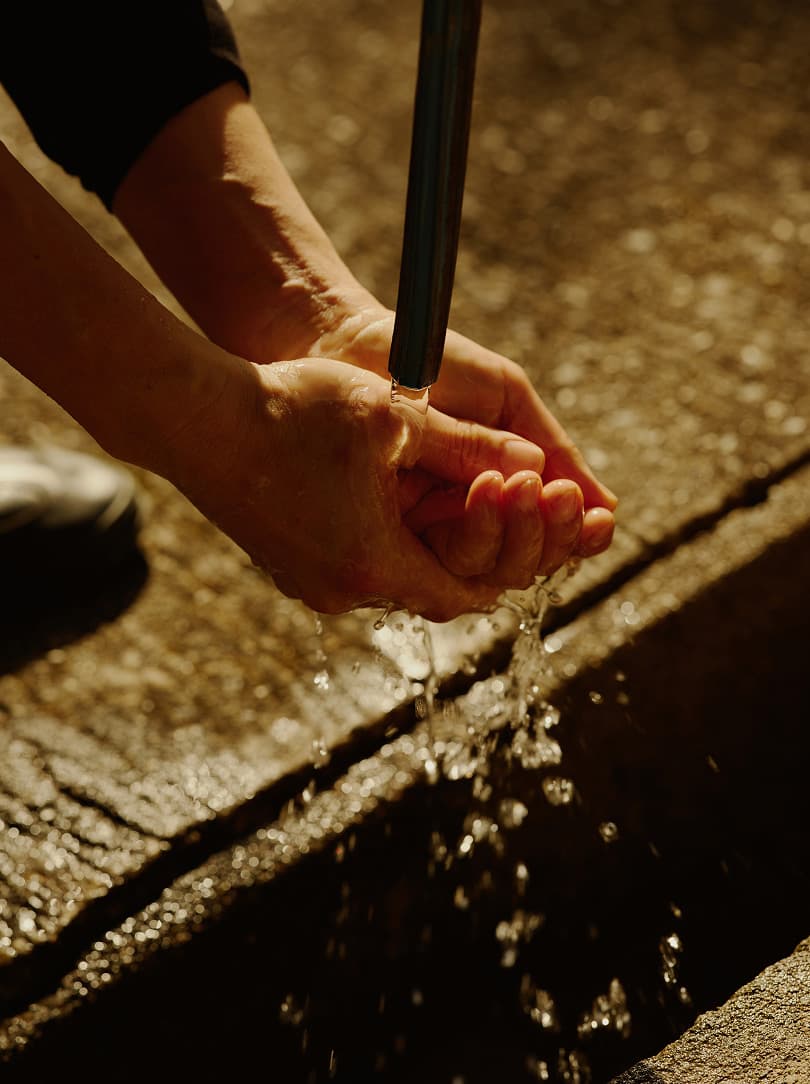
Opposite the studio is an open concrete shed with a mound of dusty grey earth against the wall at the back; a few neatly sorted piles of different sized grey rocks sit just inside to the right. We now observe Morimoto-san in here, crouched low, pounding rocks on a concrete block with a hammer, until they completely break down. Once satisfied, he emerges and walks over to a nearby outdoor tap to wash his hands, drying them on a pristine white towel hung, ready and waiting, beside it. This modest set-up feels representative of the entire operation here – ordered, clean and tidy, carefully considered.
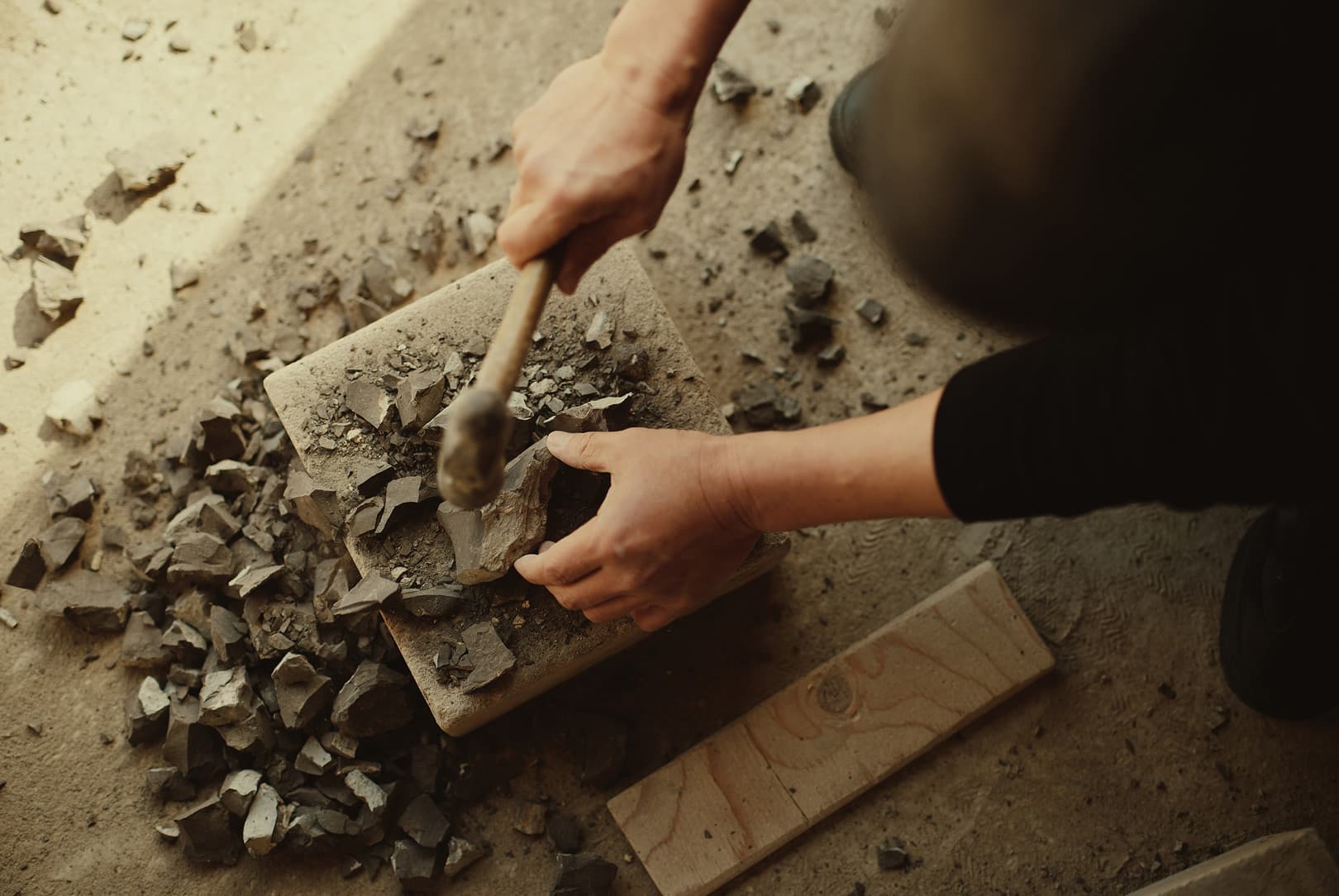
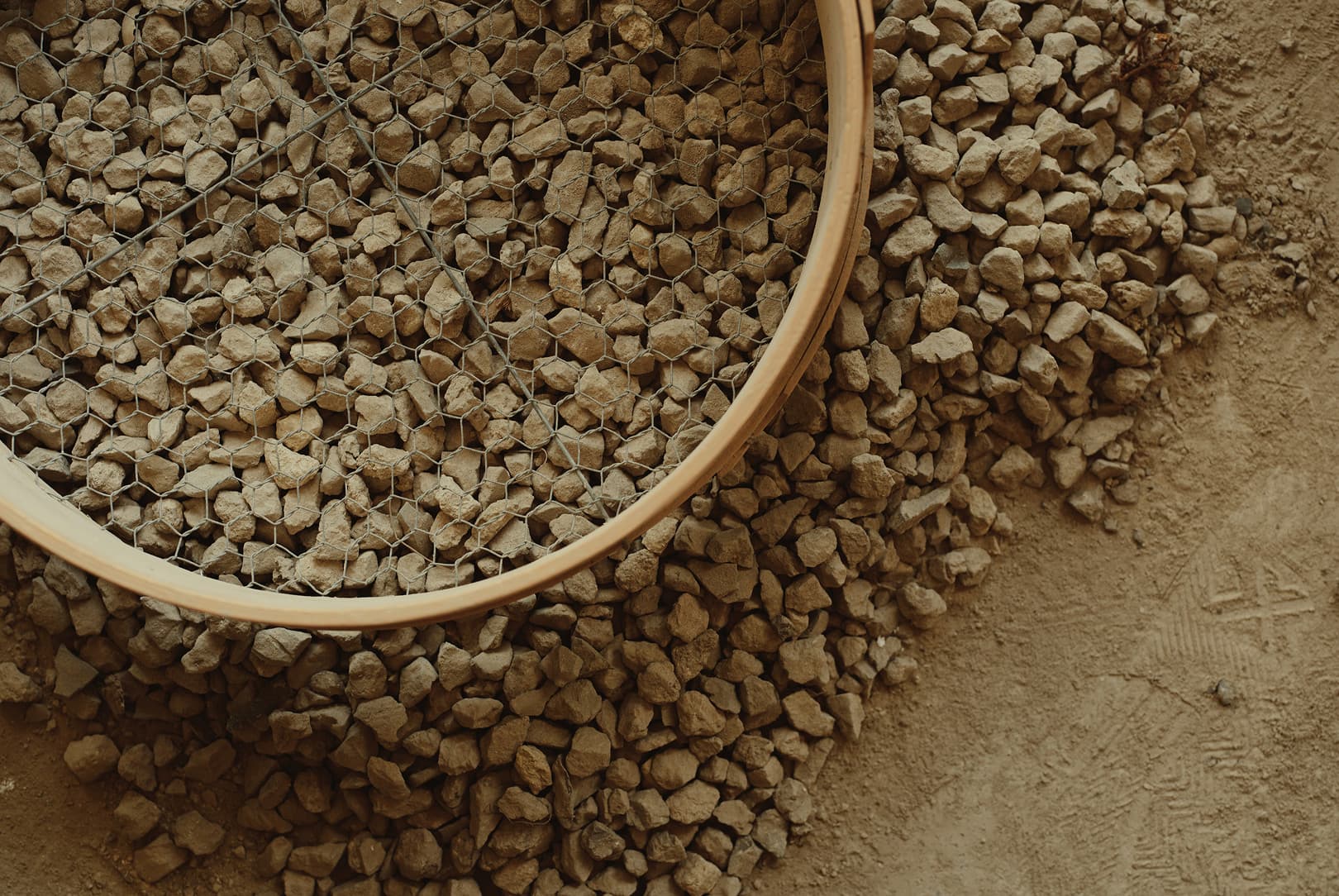
The earth itself is the beginning of everything here. In Bizen pottery it is known as ‘gendo’ – raw clay in its most natural state, freshly excavated from the surrounding land. Because Bizen ware is fired without glaze, the character of this clay determines almost everything: colour, texture, strength. Much of the most prized clay is dug from beneath nearby rice fields, where deposits rich in iron have formed over centuries. When exposed to flame inside the kiln, that iron reacts with heat and ash to produce Bizen’s deep reds, smoky browns and shifting patterns. The clay is soft and malleable in the hands, yet it shrinks dramatically during firing, requiring extraordinary patience and control from the potter. In many ways, it is this raw earth – almost more than the hand that shapes it – that gives Bizen ware its soul.
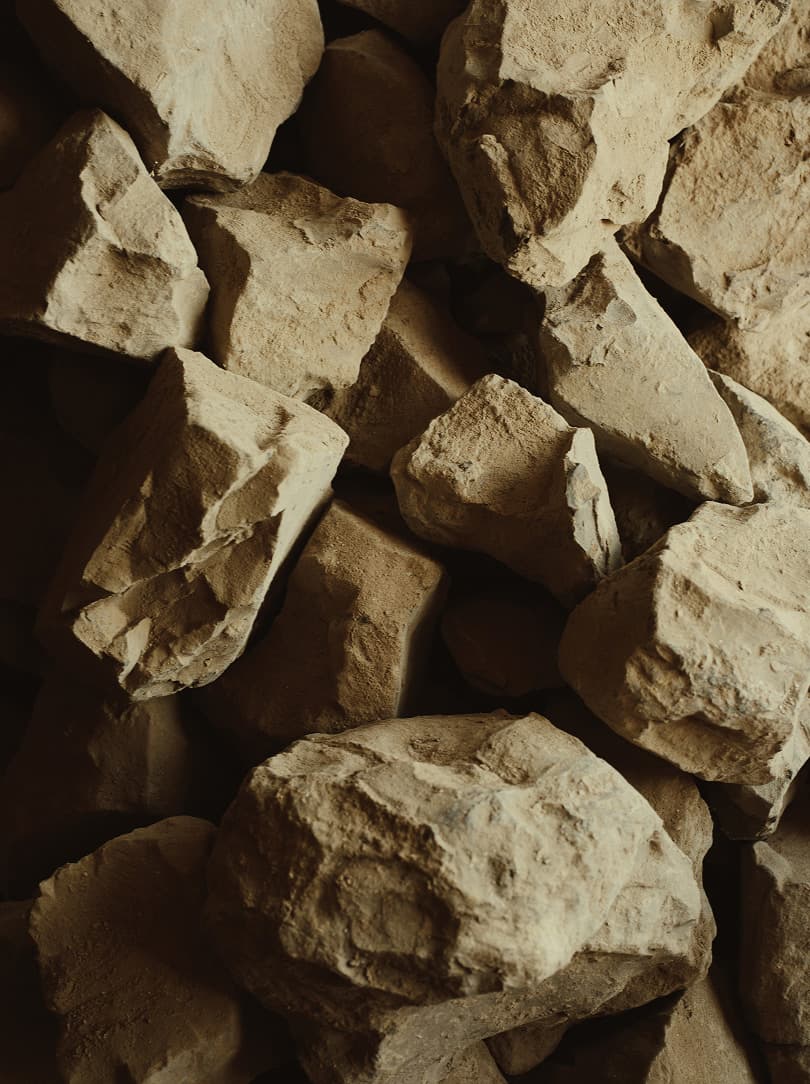
Today, a few hundred kilns remain active in the Bizen region, clustered around Imbe. In earlier centuries, however, the industry operated on a far greater scale. During the height of production in the Momoyama and Edo periods – the late 16th to 18th centuries – more than a thousand kilns are believed to have operated across these hillsides, supplying durable everyday vessels to homes throughout western Japan. While the numbers have diminished over time, the tradition continues through a tight-knit community of potters who still draw clay from the same land and fire their work much as their predecessors did so long ago.
“Thinking about how this clay can become what it is and how to bring out its characteristics, I find that trying to control it strangely doesn’t work. It’s a sense of mutual understanding, almost unconscious.”
The next step in the process is making the clay. This takes us down a set of aged, moss-covered stone steps beside the studio and across a little footbridge over the dry riverbed that, Morimoto-san tells us, gushes with water the moment heavy rains arrive. A little further along a downward-sloping, tree-lined path stands a large corrugated-iron outbuilding housing a crucial component: the ‘noborigama’, or climbing kiln. Consisting of three rounded connected chambers built by his father into the natural incline of the landscape, it has been in use for about half a century. “The first firing took place when I was born,” says Morimoto-san, “so it is the same age as me.” He explains, briefly, how it works: “By utilising the updraft, one chamber is heated, and when the next chamber is heated, it maintains a certain temperature.”
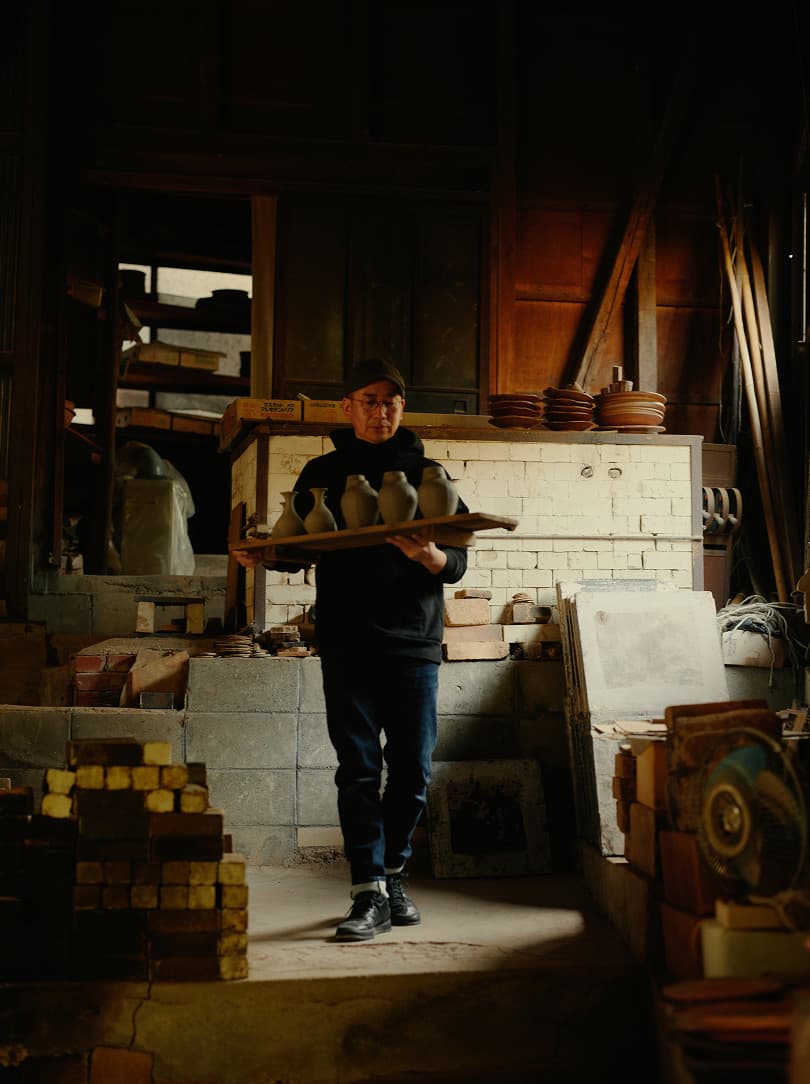
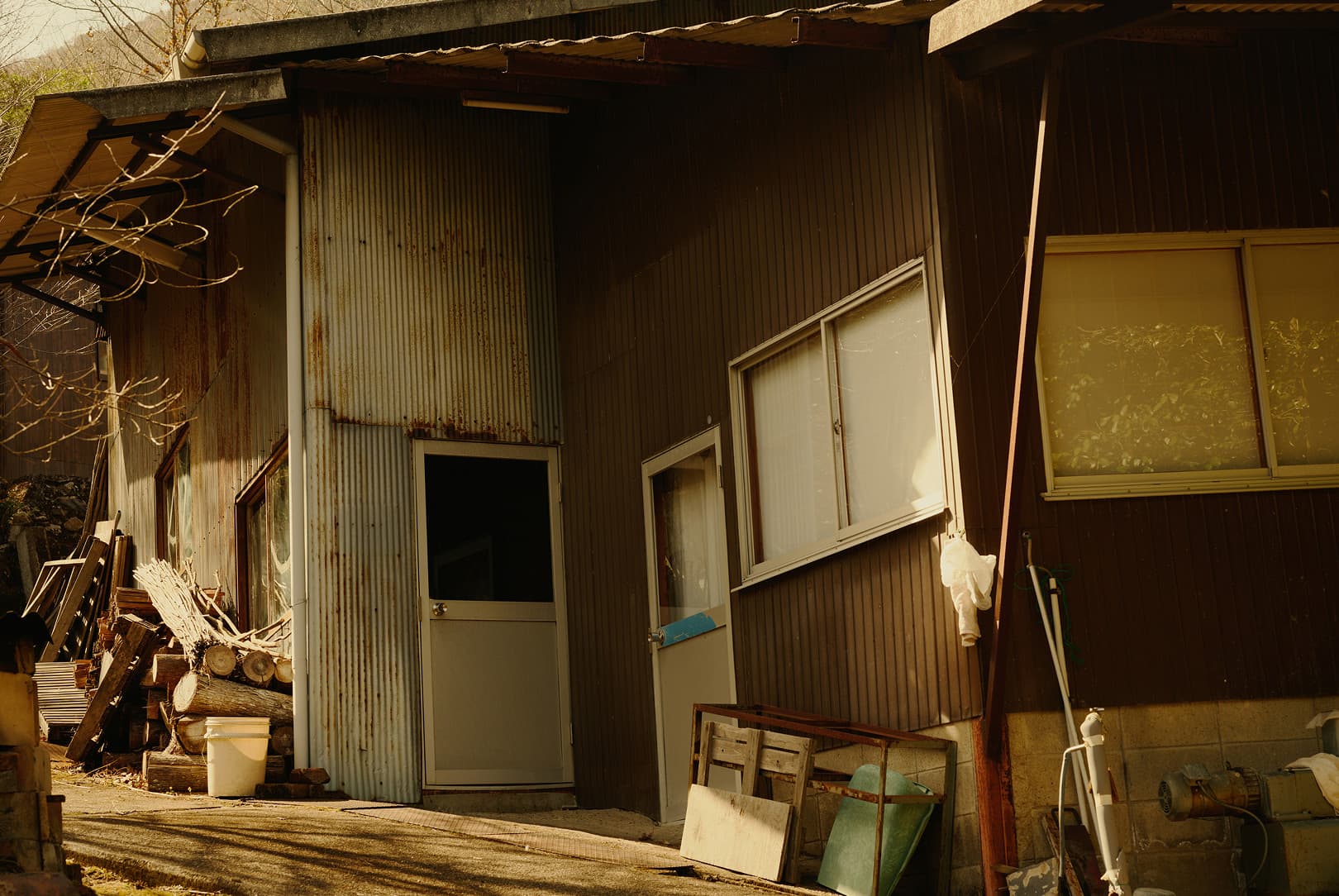
Firing is both a science and a surrender. It only takes place once every 18 months to two years, due to the labour-intensive and time-consuming process of not only preparing the kiln but creating enough pieces to fill it efficiently. “It takes time,” Morimoto-san concedes, “so I want to bake a lot of things at once. And there’s also the fact that you can’t bake well without a certain number of pieces, so, for both reasons, I need to put in a large quantity at once.”
For days, red pine is fed into the chambers, before the temperature is gradually raised over the course of about a week to avoid cracking the stoneware. Flames travel through the chambers, touching each piece directly, while ash melts over the surfaces, creating patterns known as ‘goma’, a speckled sesame-seed effect, ‘tamadare’, from flowing ash, or ‘hai-kaburi’, when ash completely covers it. Those closest to the fire mouth emerge with bright red, brown or scorched patterns, while those further away have less contact with ash, resulting in warmer tones and an earthier, more rustic character.
“There’s definitely a bit of tension and anxiety. But once the kiln is opened, it’s the most exciting moment.”
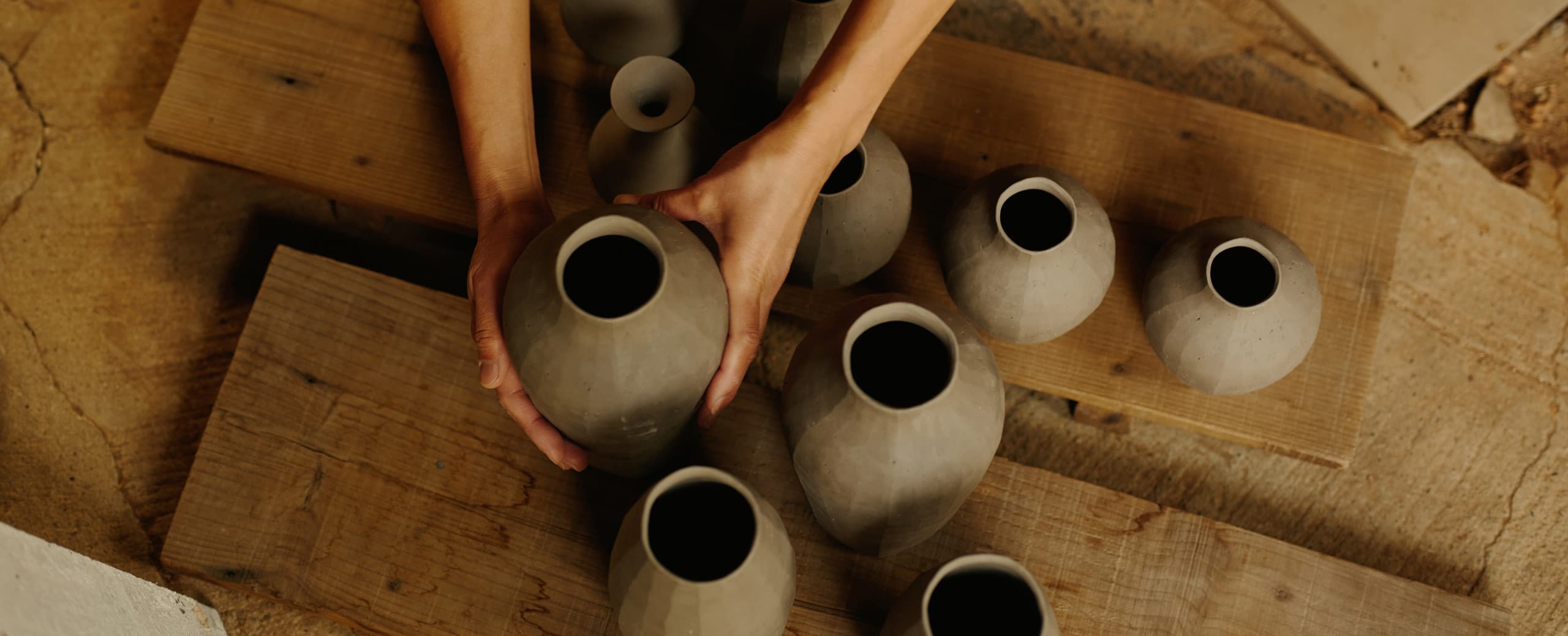
A vast amount of thought and planning is required when considering ‘yohen’, or kiln-change effects – where to place each piece, in what quantity and at what scale, all with a vision of the desired outcome. From start to finish, the entire process takes seven to eight months. “It’s a bit like a puzzle,” Morimoto-san tells us. Such complex foresight – and the ability to harness heat peaking at about 1,200 °C, which vitrifies and strengthens the clay – seems achievable only through the intimate familiarity he has developed, shaped by knowledge passed down through generations. “Thinking about how this clay can become what it is and how to bring out its characteristics, I find that trying to control it strangely doesn’t work,” he muses. “It’s a sense of mutual understanding, almost unconscious. The way that the fire from the firewood directly hits the pottery is really important. That alone brings out what you might call ‘flavour’.”
He describes the moment when it’s time to open the kiln, after firing: “There’s definitely a bit of tension and anxiety. But once it’s opened, it’s the most exciting moment.” Each surface tells a unique story of where it sat in the kiln, a subtle record legible only to the trained eye. “The act of baking is something that is out of my hands,” he continues. “The new changes that occur within that, including failures, are really interesting. Sometimes a good bake feels like a gift. It’s quite difficult to aim for that.” This unpredictability is precisely what keeps the work alive.
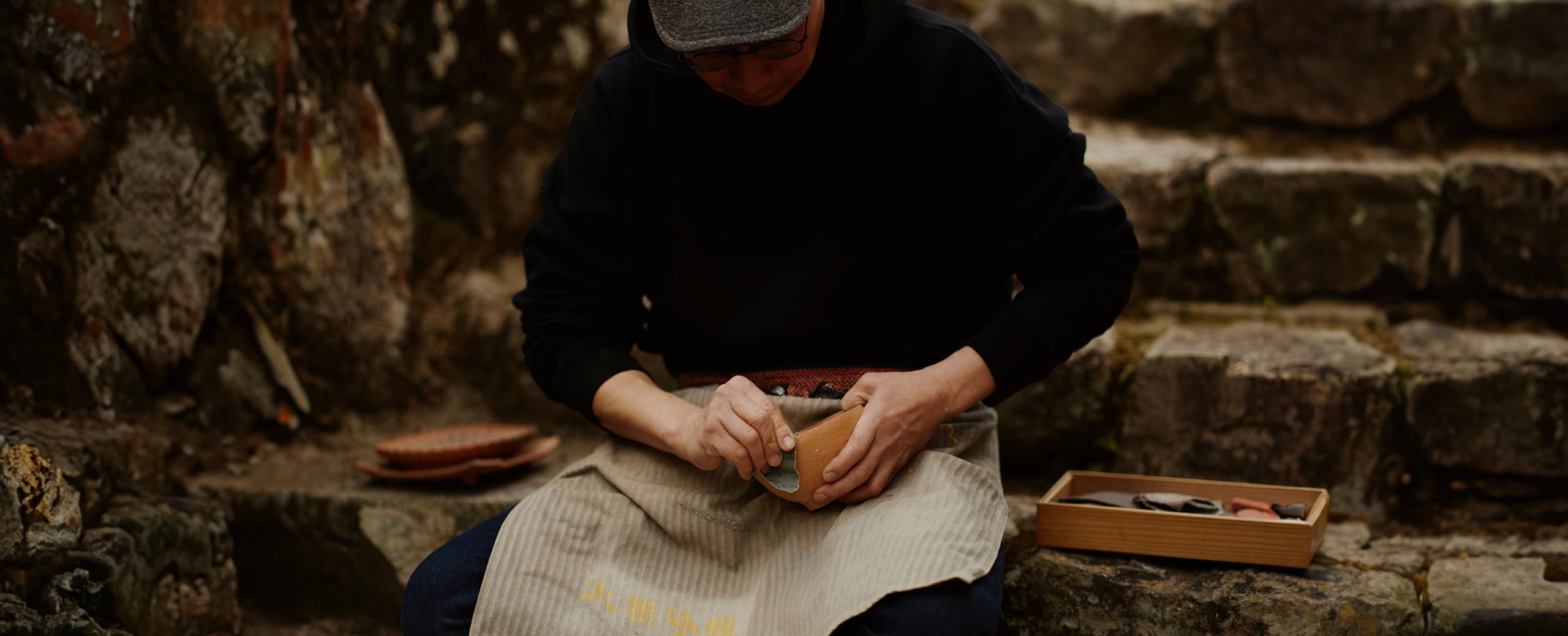
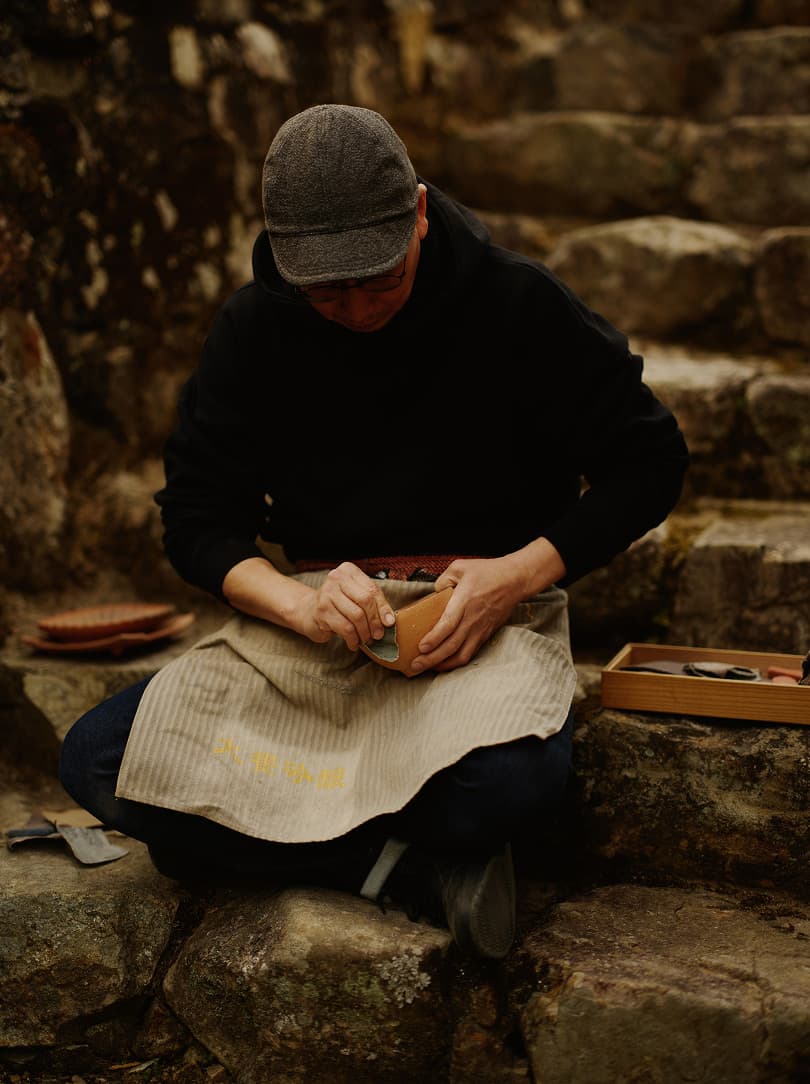
Yet the work is not finished when the kiln is opened. Another “emotional shift”, he says, comes when it’s time to sand down each piece, as they are in quite a gritty state when they come out of the kiln. “You need to sand the pieces with paper that is coarse enough but won’t scrape off the surface expression. After sanding, you finally wash them vigorously with a scrubber, and only then are they in a usable state.”
Going back a few steps in the process, we now observe Morimoto-san taking a seat on a tiny wooden chair outside on a platform, at the bottom end of the kiln shed. There, in the dappled sunlight with a view of the surrounding forest, he pulls up his sleeves and places two cylindrical slabs of plastic-wrapped clay on a small wooden bench in front of him. Carefully removing the plastic, he takes a simple wire cutter, slices one slab in half, opens it out and cuts a thin strip from one edge. He continues like this, inspecting each piece closely, looking for stones, which he picks out with his fingers or, if more deeply embedded, a small metal tool.
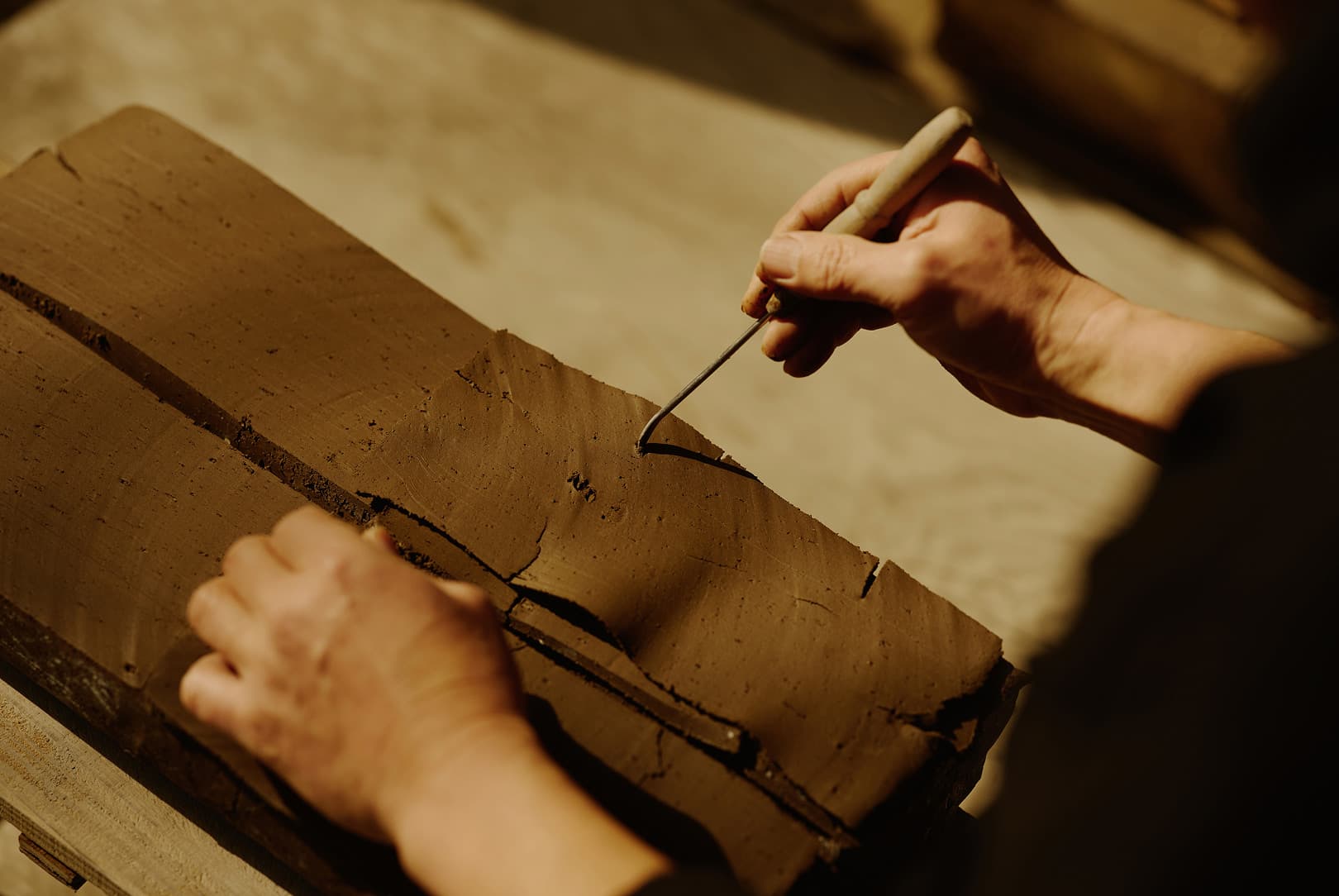
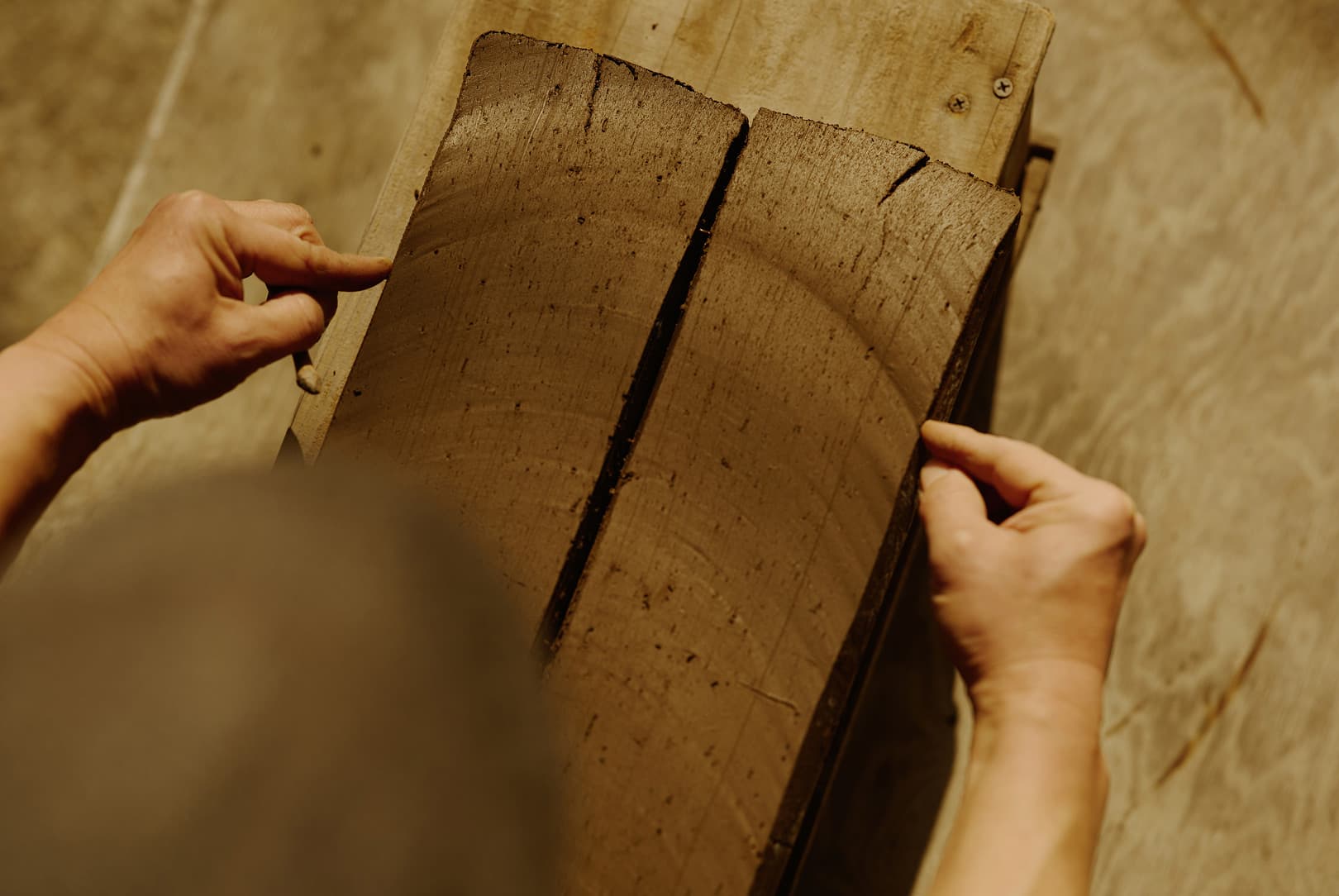
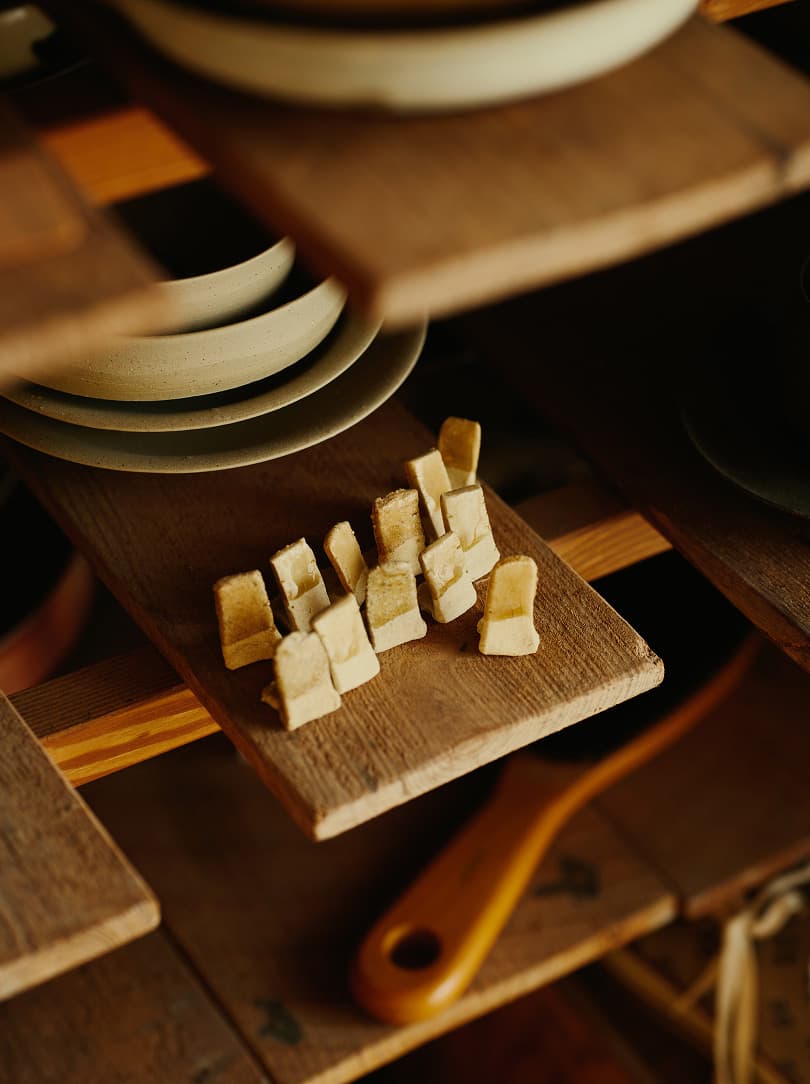
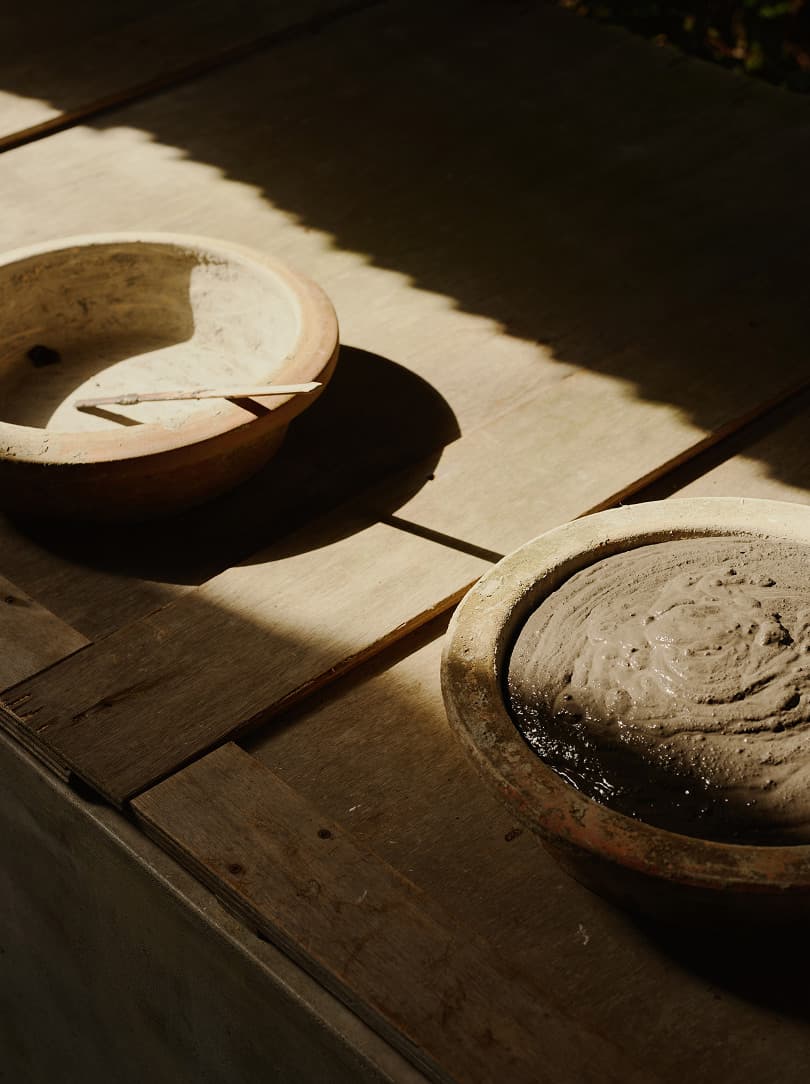
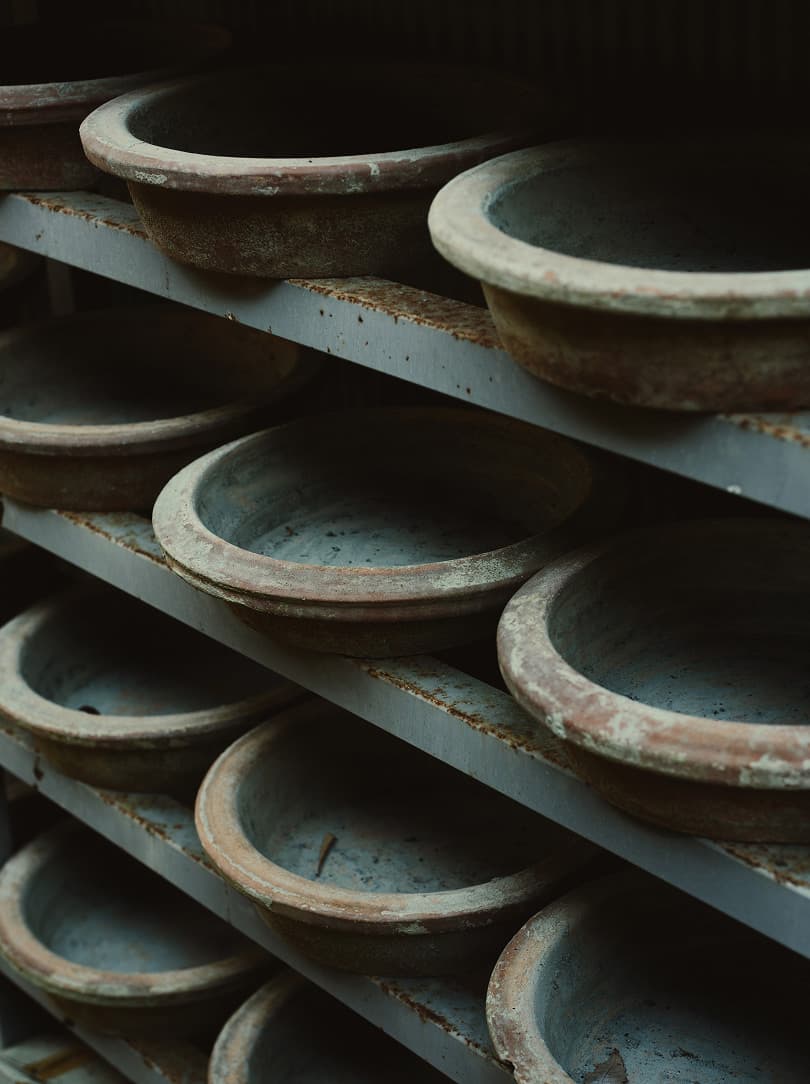
As he works, he explains that the rocky soil he was pulverising earlier is taken to the large, covered troughs of water beside the kiln shed and left to soak for two to three days. It is then extracted and placed in a wide terracotta basin to dry out slightly before being fed through the machine beside which he is sitting, to come out the other end as these tubes of moist, workable clay.
“Changing the clay according to its use is important; for instance, it’s better if items that touch the mouth are not rough.”
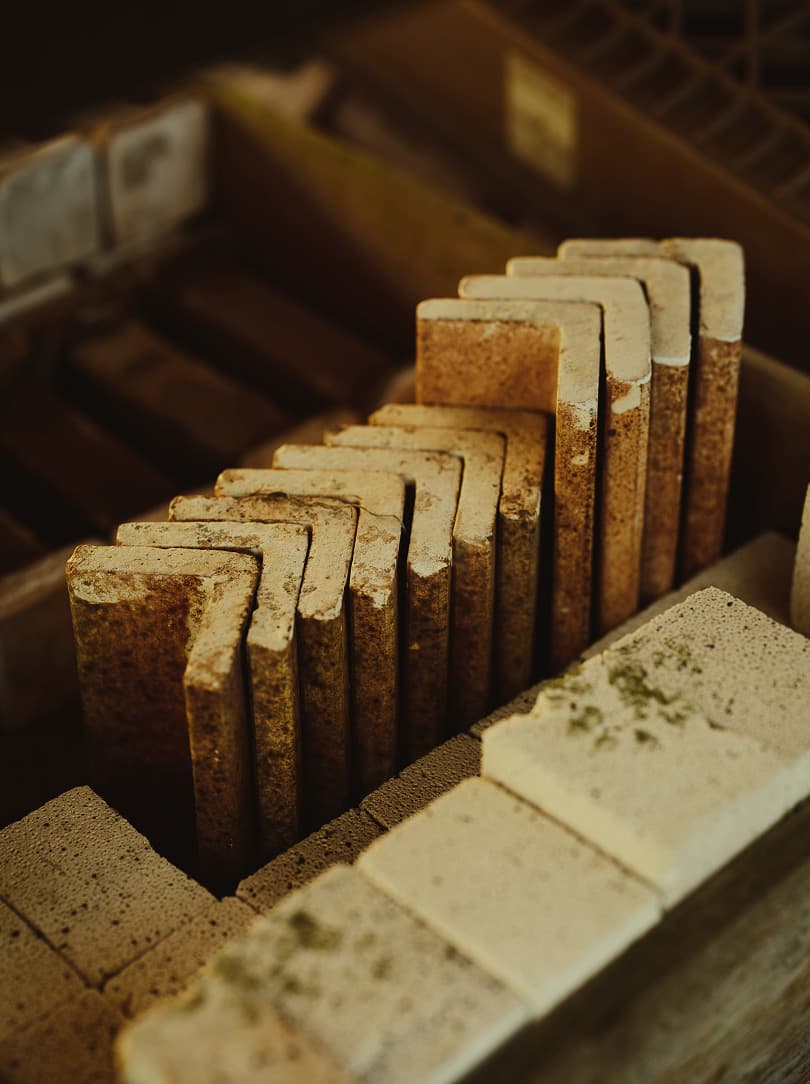

Morimoto-san creates five varieties of clay, which differ primarily in coarseness. Clay that contains a large amount of sand or tiny stones is naturally coarser and weightier, while removing them as thoroughly as possible produces a much finer body. “Changing the clay according to its use is important; for instance, it’s better if items that touch the mouth are not rough. But fundamentally I have an image of the shape I want to create, and I think about how to achieve that shape. So, there isn’t a strict rule that items that touch the mouth must be made of fine materials. It’s more about how to realise the initial image I have, then, after firing, thinking about what I might improve for the next iteration.”
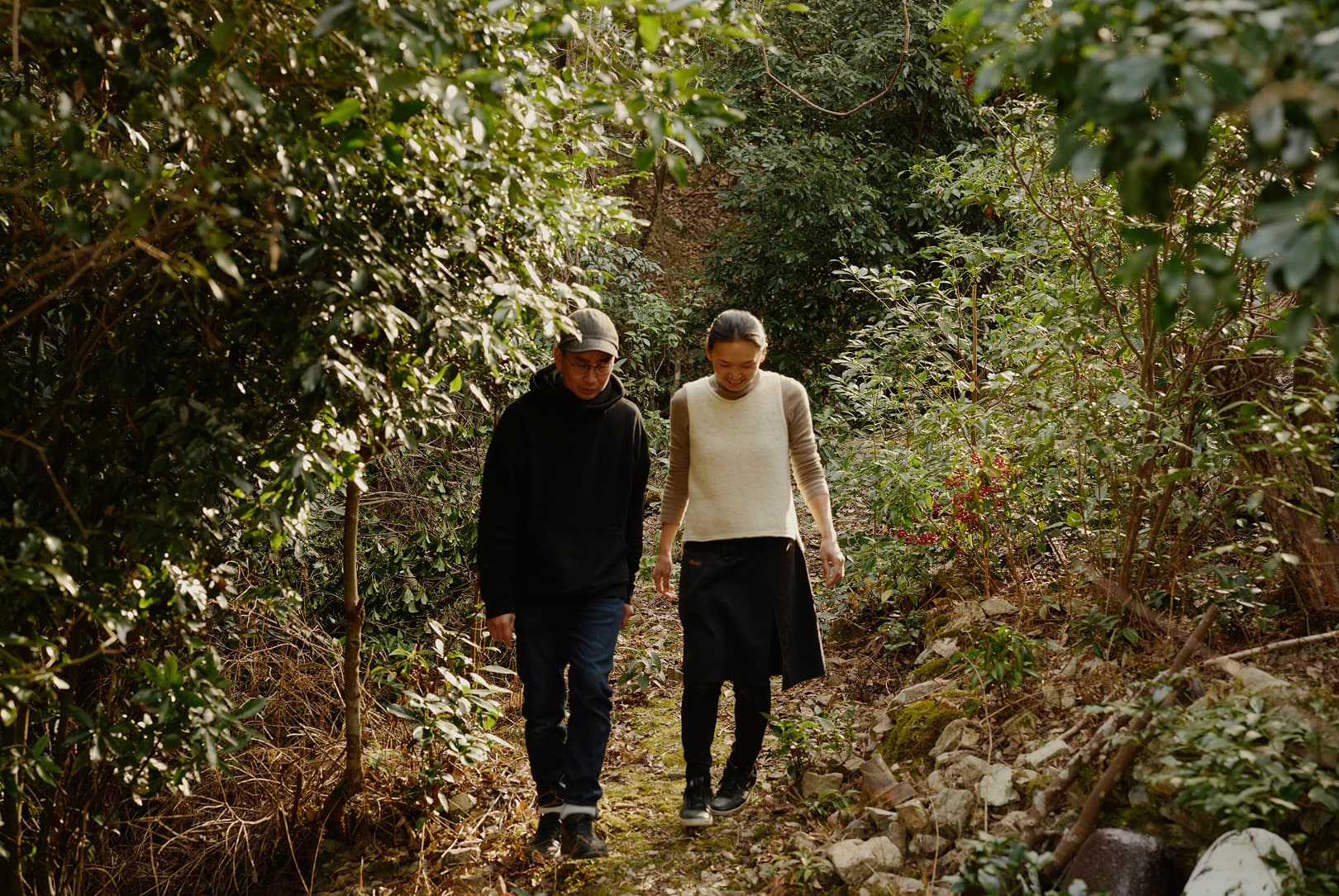
With dry leaves crunching softly underfoot, we follow the ceramicist – clay in hand – on the short stroll to his workshop down the hill. As we pass through the forest, we spot a sizeable metal cage among the trees, which Morimoto-san tells us is a trap for wild boars, which frequent the area. He wonders aloud if there’s a scarcity of food for them higher up in the hills, because their presence has recently become more regular. We emerge on to a tarmac road, with an open field to our right and not a car or another person in sight. Today is a public holiday here, no doubt also contributing to the stillness. Walking down the middle of the road, we are engulfed in the brightness and warmth of the day, and the pervading peacefulness of this ancient place. Chieko – who says we can call her Chika – has joined us. Smiling and open, she exudes a warm, kind and generous presence. She tells us how she works alongside her husband, taking care of most other aspects of the business, from accounting and orders to arrangements and logistics for exhibitions.
The couple met in Yamanashi, not far from Tokyo, when a friend introduced them. Morimoto-san had been studying sculpture at Tokyo Zokei University in the late 1990s – an experience he describes as formative. “My sister went to university in Tokyo and I followed her there,” he says. “My parents supported me; they encouraged me to go, thinking it would be good for me to expand my world.” He explains how he only recognised his family’s business for what it was when he was in secondary school, gradually absorbing a vague understanding that it was something he would one day inherit. “I talked a little with my father about doing this work,” he remembers, “but I hadn’t thought deeply about it. I went to art college, but still, I didn’t really feel proactive about it at all; I just went with the flow.
“My sister went to university in Tokyo and I followed her there. My parents supported me; they encouraged me to go, thinking it would be good for me to expand my world.”
He gained more perspective after living away from Bizen for a while. “I had the opportunity to reassess my life, and it was at that time that I finally felt the determination to pursue pottery as a profession,” Morimoto-san recalls. He went on to do an apprenticeship in Mino pottery with master Seiya Toyoba, before returning to his hometown in 2003.

We turn right on to a narrower street and come to the workshop, which was Morimoto-san’s first childhood home. Half of it was converted into his workspace, while the other half was demolished to make room for a garden and two kerosene kilns. Approaching from the side, we pass both kilns and arrive at the small garden with paving stones in the middle. A lush border of plants lines the perimeter, and at the far end of the house a pond holds a few goldfish. Water runs continuously through a bamboo pipe over the pond, providing a meditative soundtrack. Chieko tells us that the water is piped from a natural spring further up the hill.
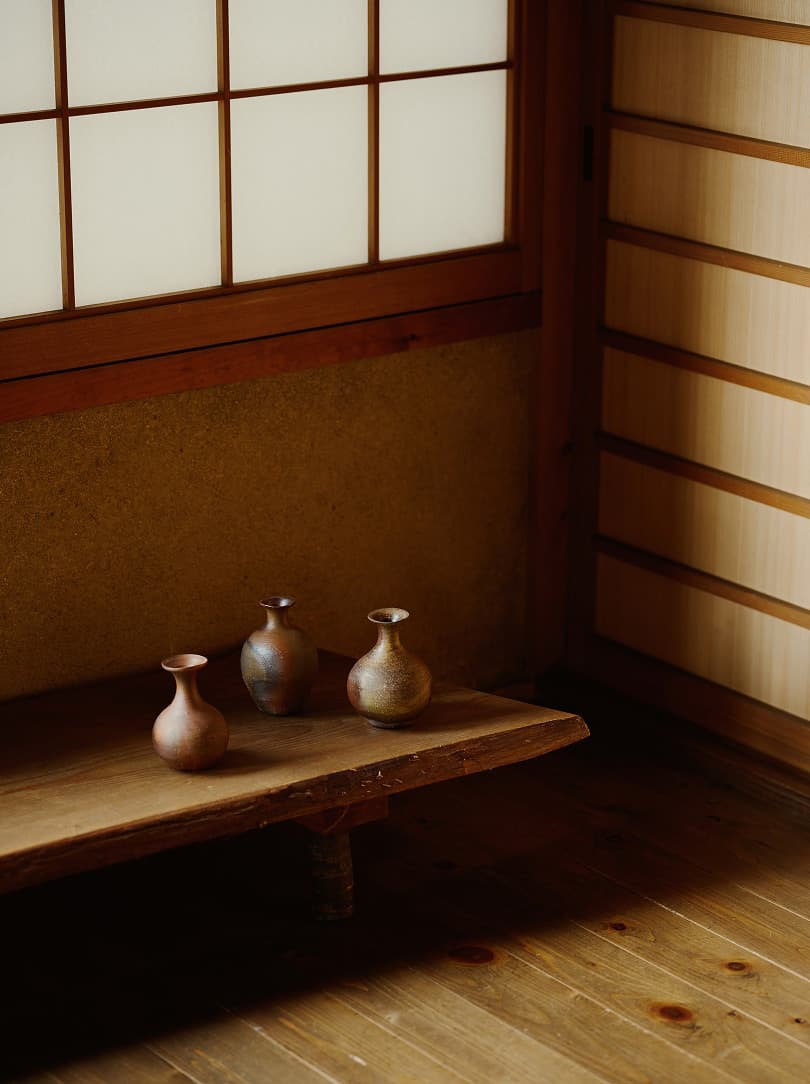
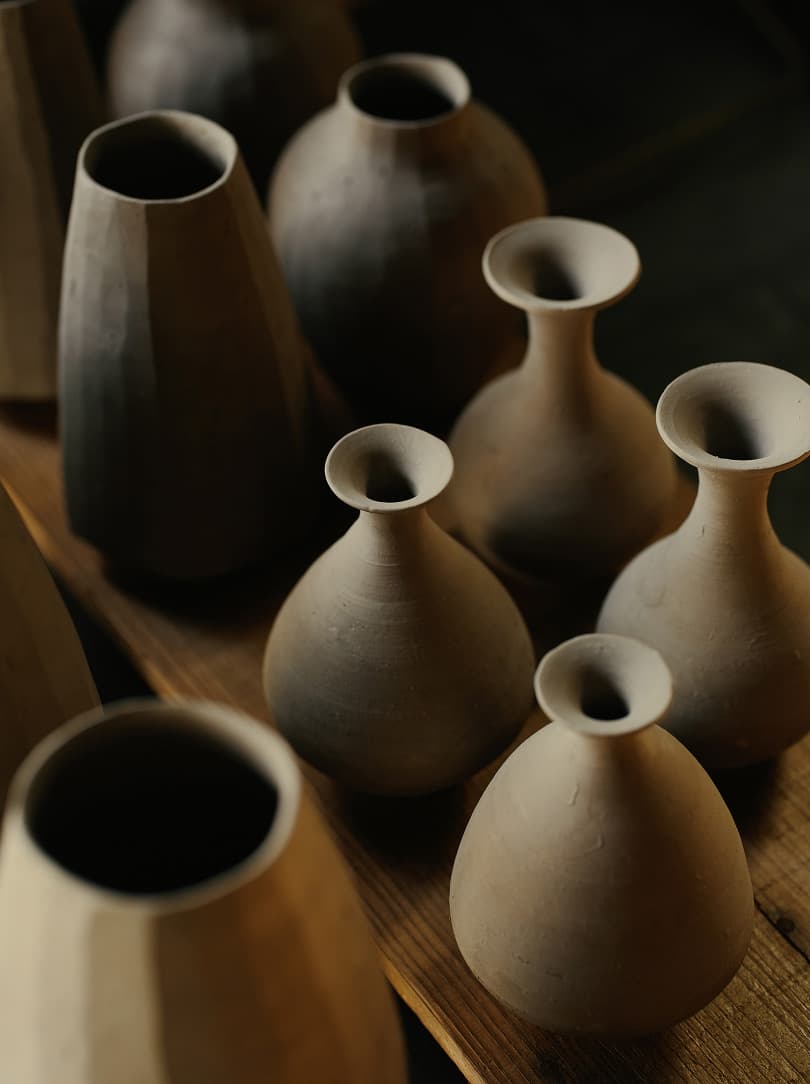
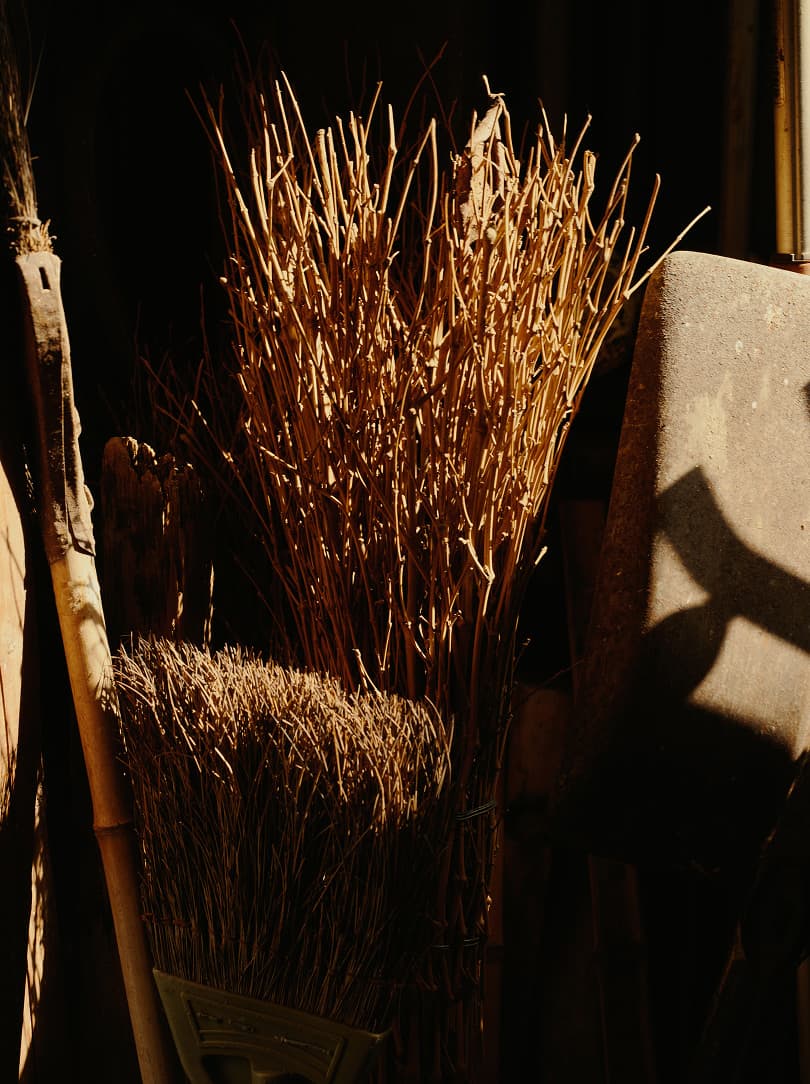
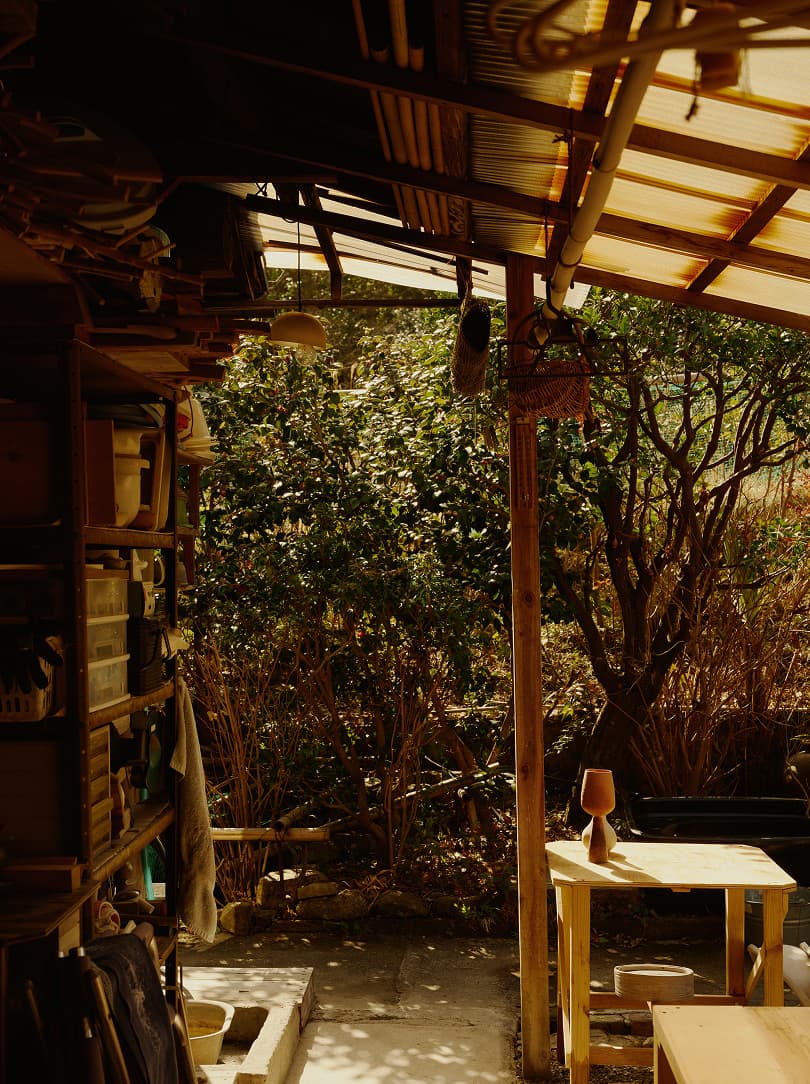
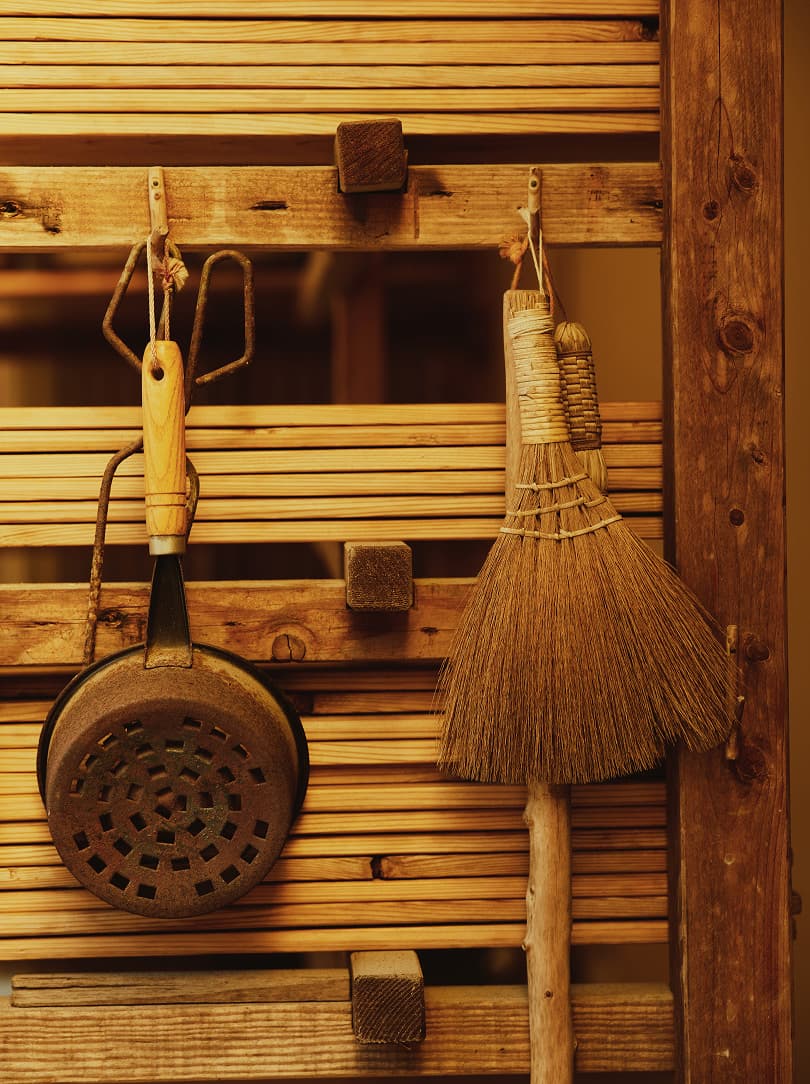
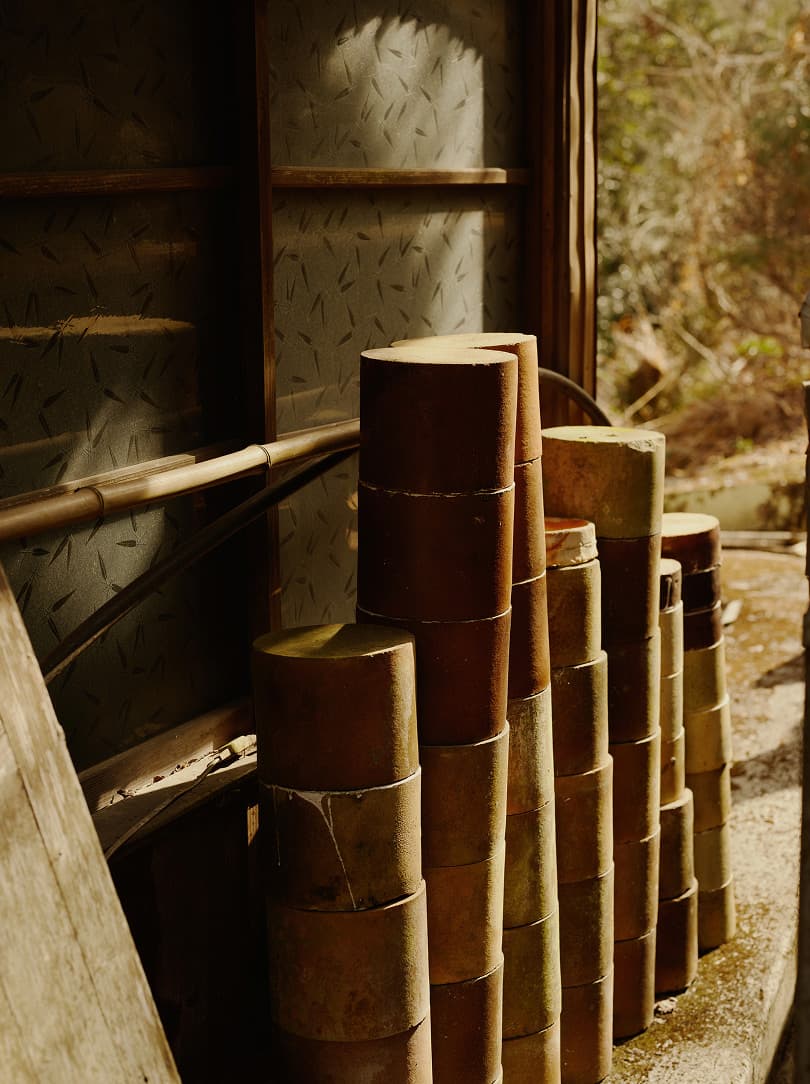
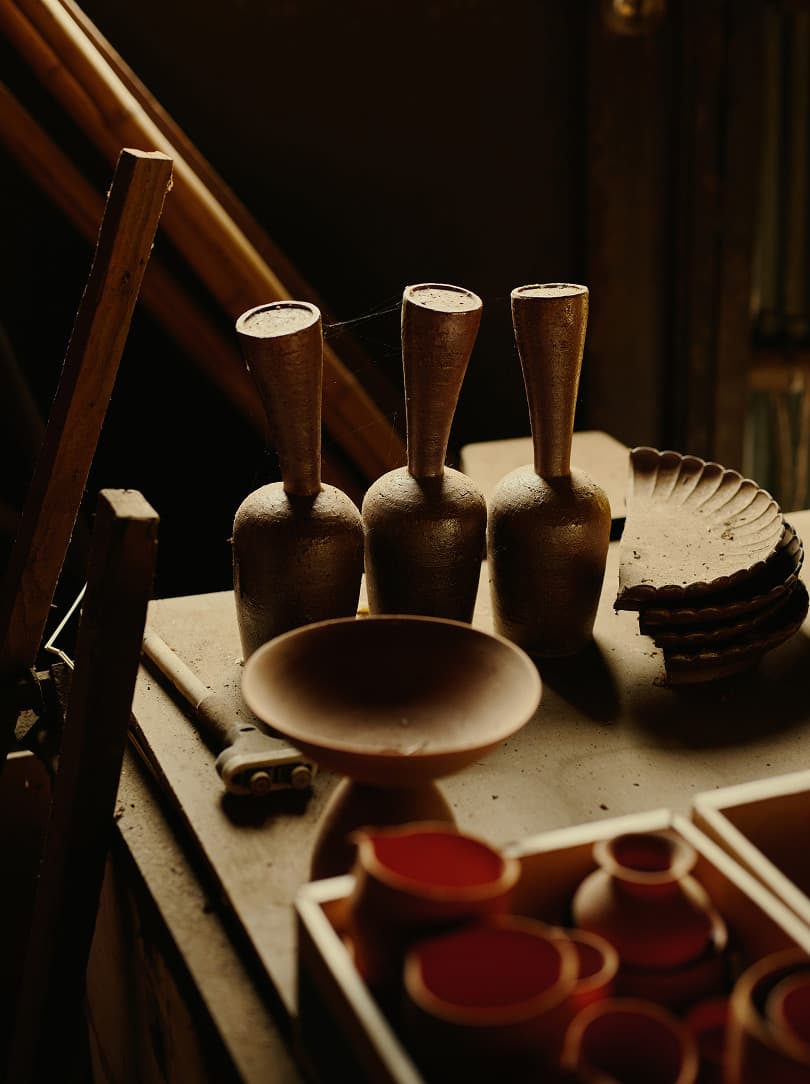
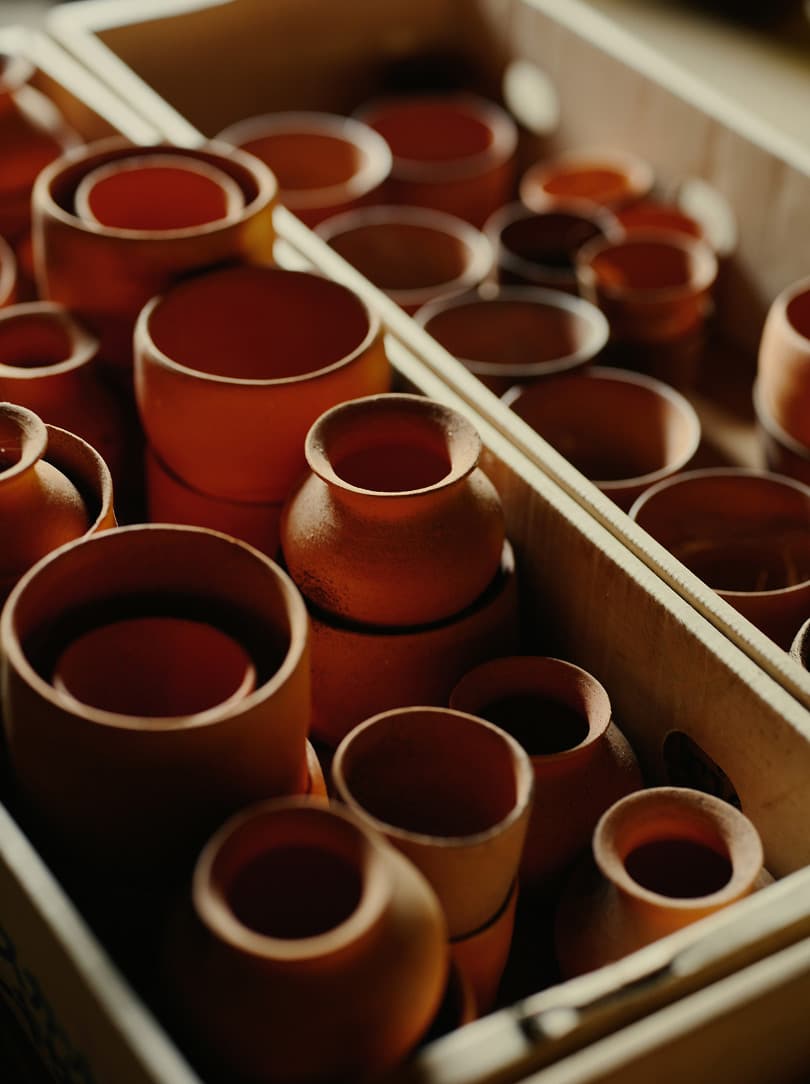
At the back, a covered veranda with a transparent corrugated roof filters soft light onto high shelves stacked neatly with pieces of wood, from which Morimoto-san handcrafts the tools he needs. Other shelving units hold more planks of wood, rustic tools hanging from hooks and exquisitely simple ceramic vessels.
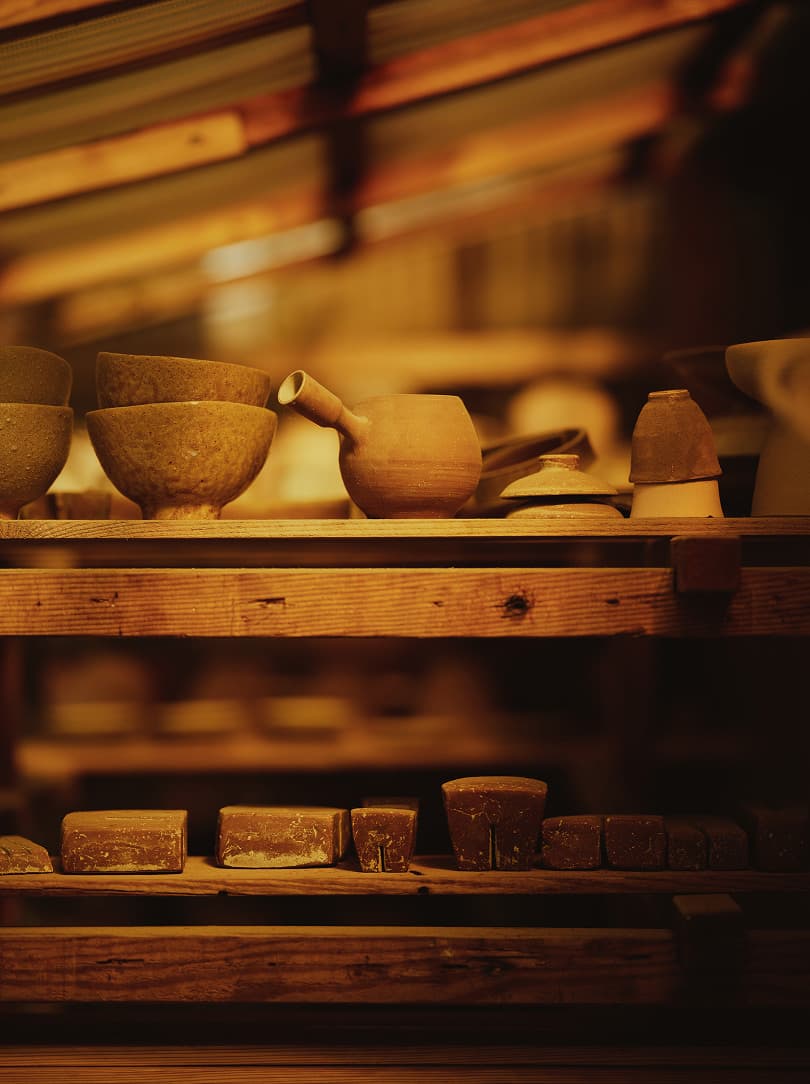
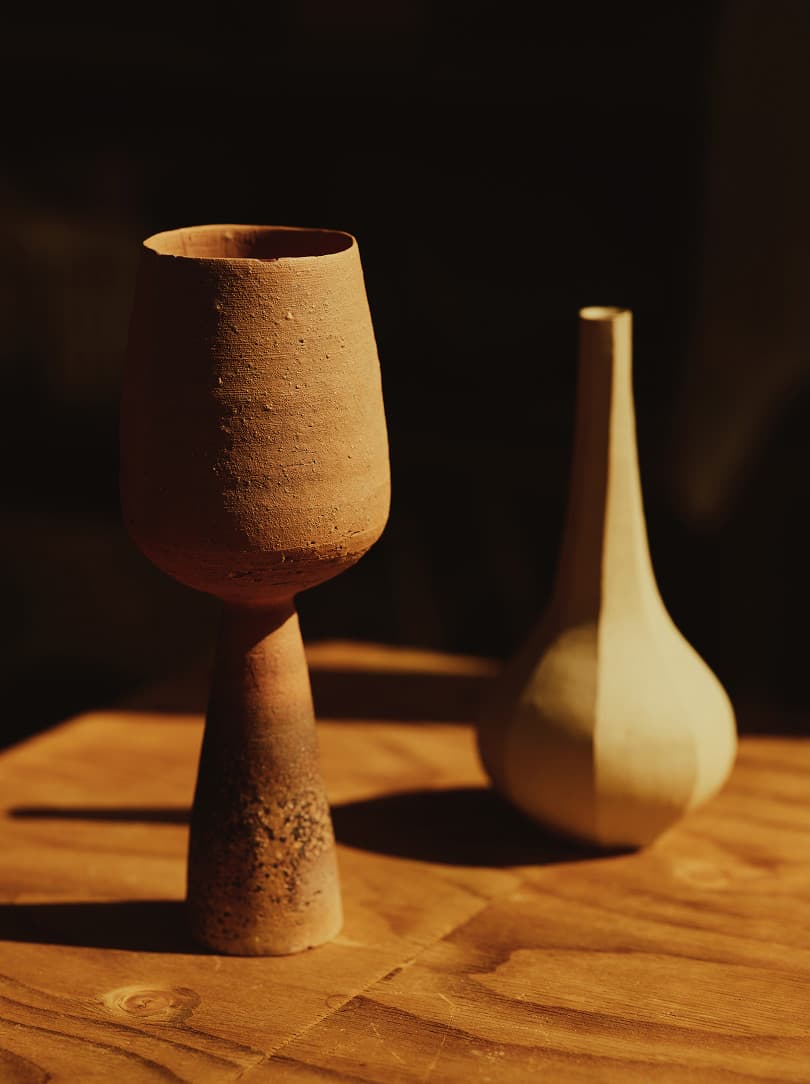
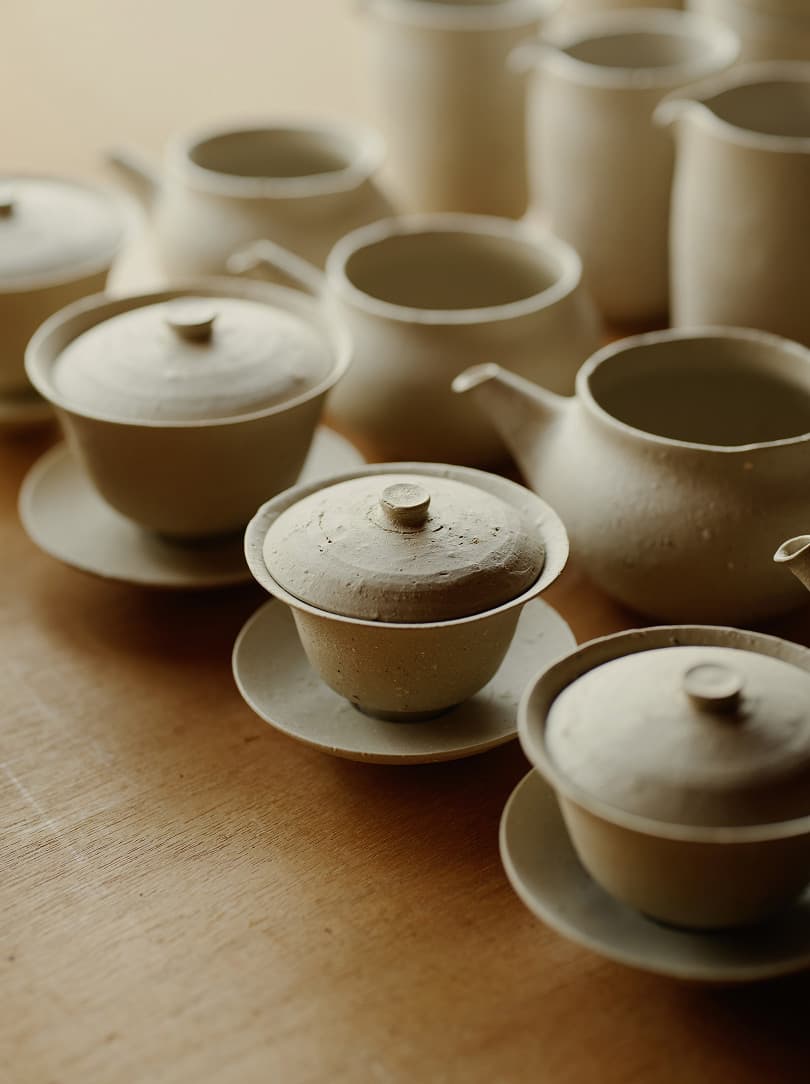
Some of these pieces don’t display the usual burnt reds and browns, but are white. “This is an original type of pottery that I started making about 15 years ago, called ‘Shirahana’, which is made from Bizen clay,” he tells us, picking up a piece and gently handling it. “Bizen clay is known for producing a variety of colours. It can turn white, black or red. I wanted to reveal the potential of Bizen clay itself, so I started out with the idea of firing the clay white, without using a ‘noborigama’ and intentionally not adding any flavour to it.”
“This is an original type of pottery that I started making about 15 years ago, called ‘Shirahana’, which is made from Bizen clay. I wanted to reveal the potential of Bizen clay itself, so I started out with the idea of firing the clay white.”
To achieve this white finish, the pieces are fired in the kerosene kilns here, which provide a more stable and predictable environment. The name he chose for this pottery, Shirahana, is derived from the traditional Japanese colour ‘Shirahana-iro’, or white flower. Working with both of these approaches suits the flow of his practice; once he’s finished making Bizen ware, as he has just done, he moves on to focusing on Shirahana for some time.
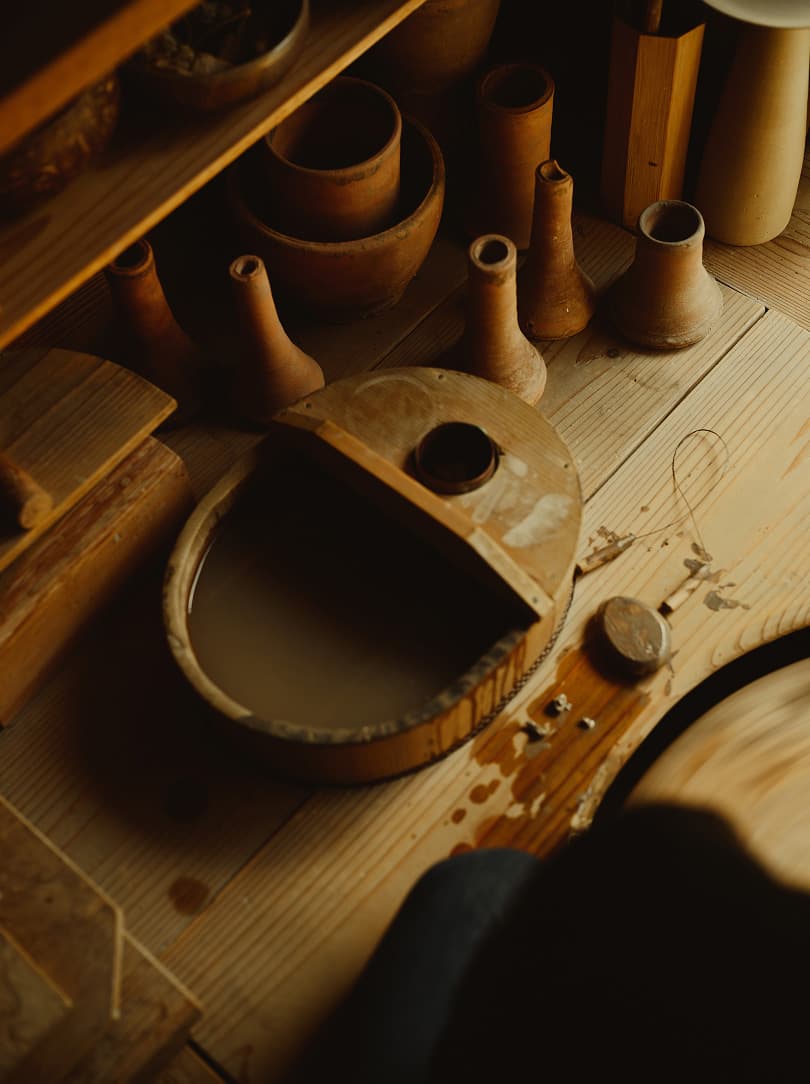
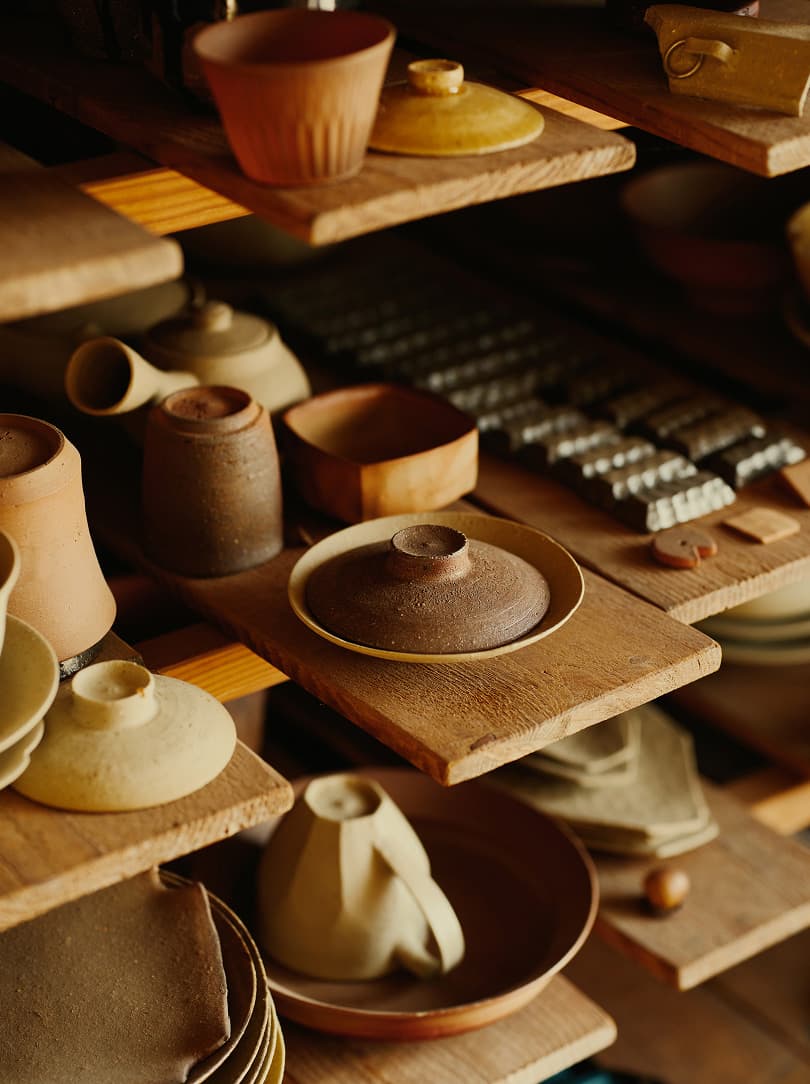
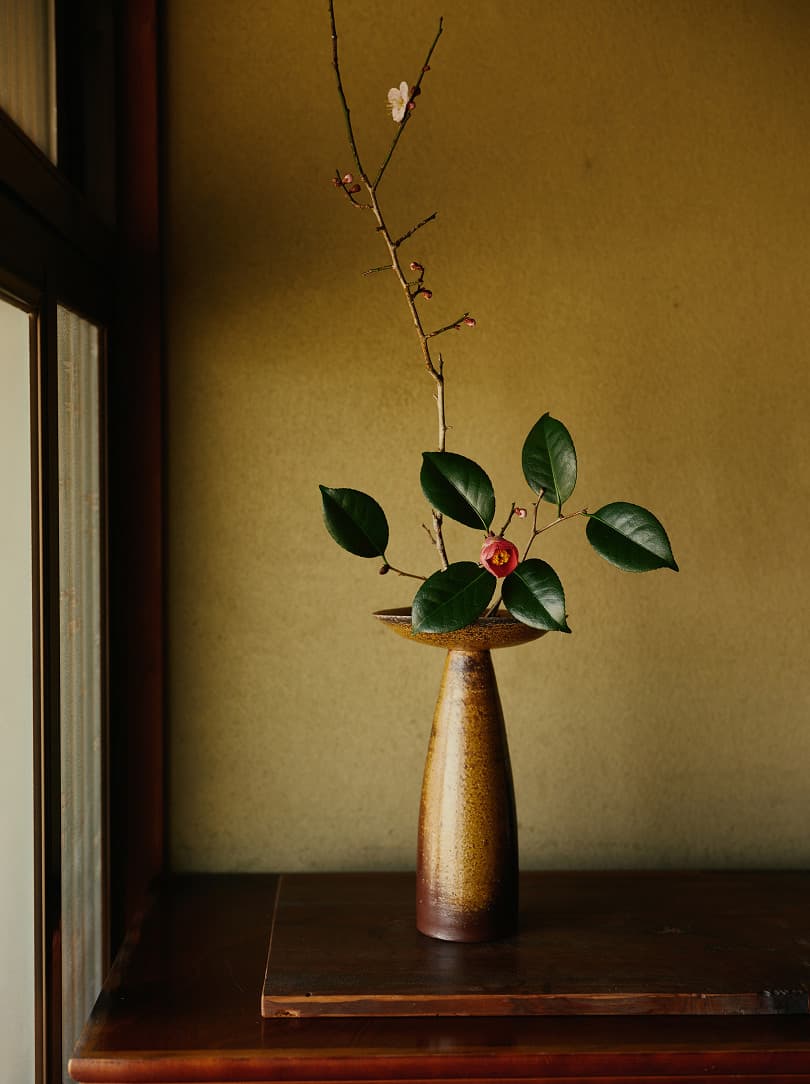
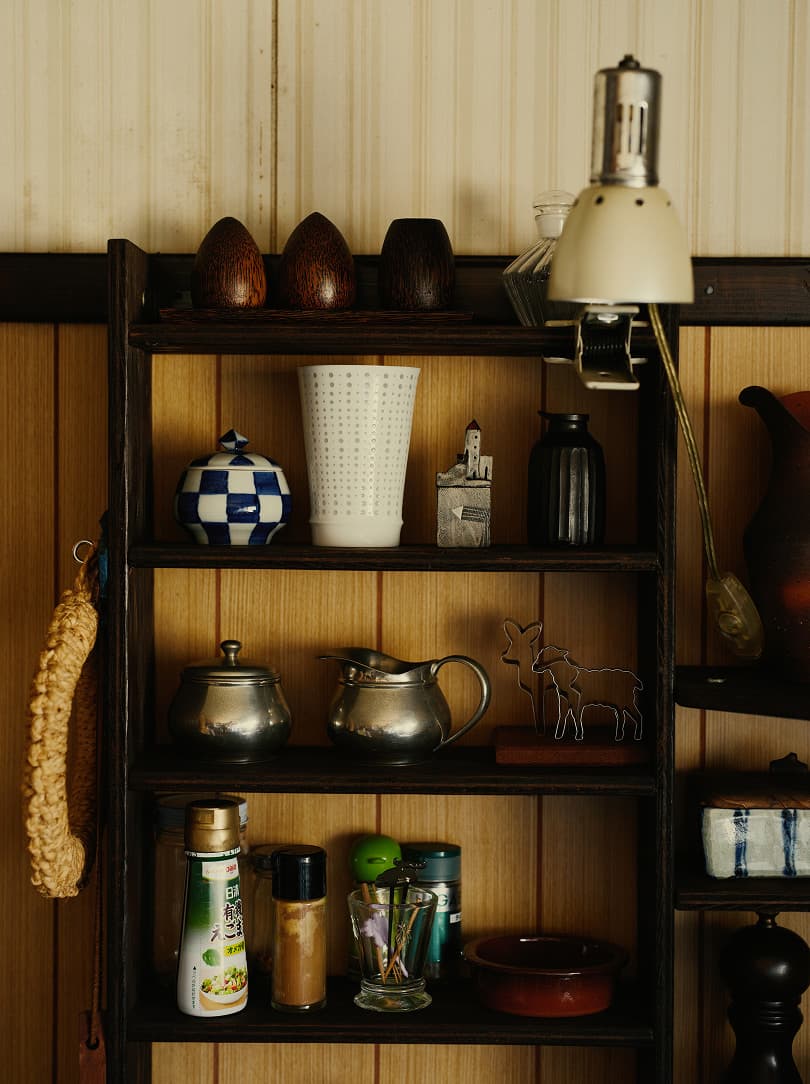
Stepping inside the small building, we find ourselves in a tranquil, ordered space that feels both cultivated and lived-in. Again, everything has its place: beside a wooden platform with a central potter’s wheel are small shelves lined with books, arranged in height order, alongside various bowls and vessels, many containing paint brushes and wooden tools. A sprig of fresh plum blossom sits in a rectangular vase. Handmade tools hang from hooks nearby and table lamps perch on surfaces, waiting to be of use. Standing, Morimoto-san begins kneading a dark mound of clay on the wooden surface, pushing into it with the heels of his hands.
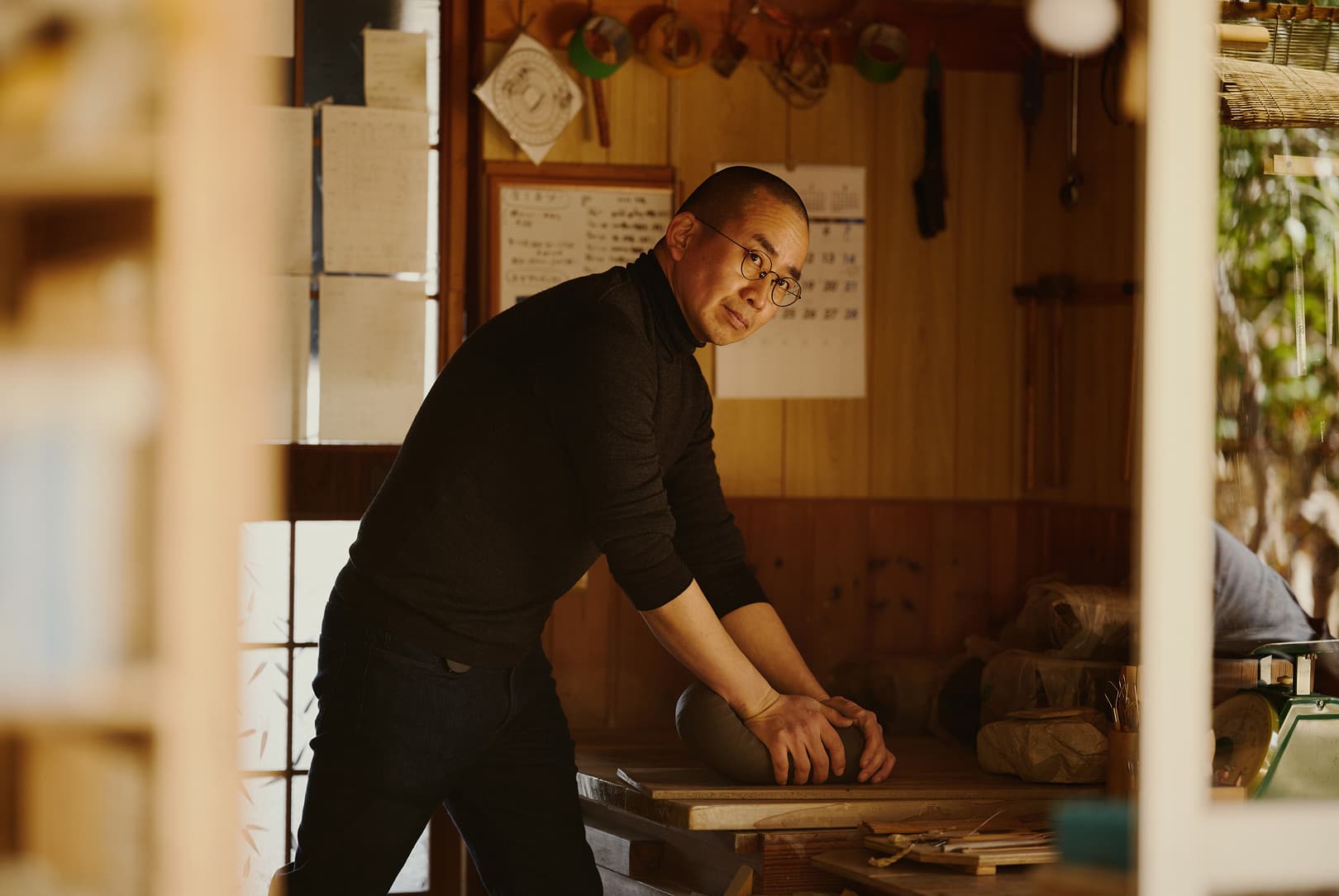
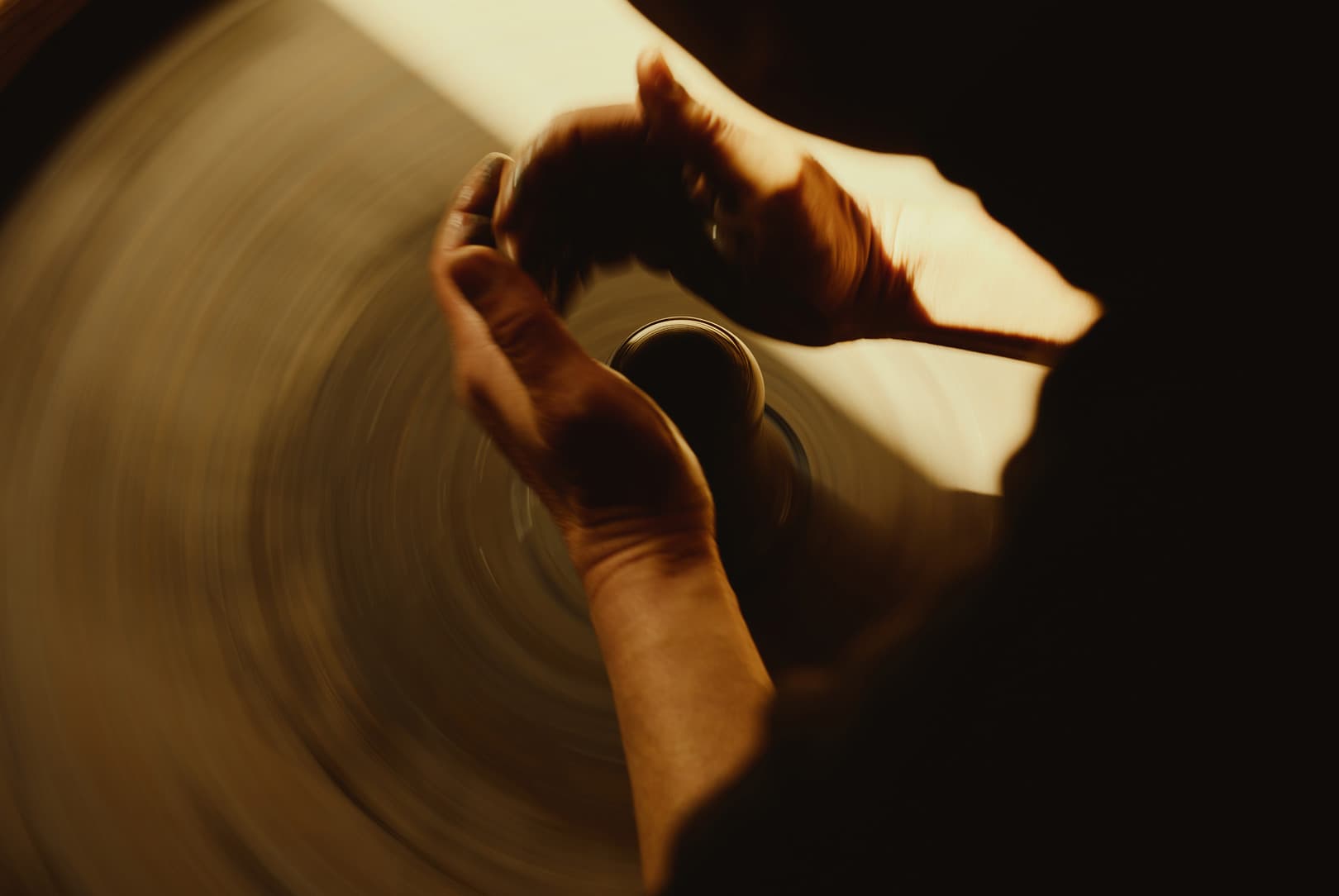
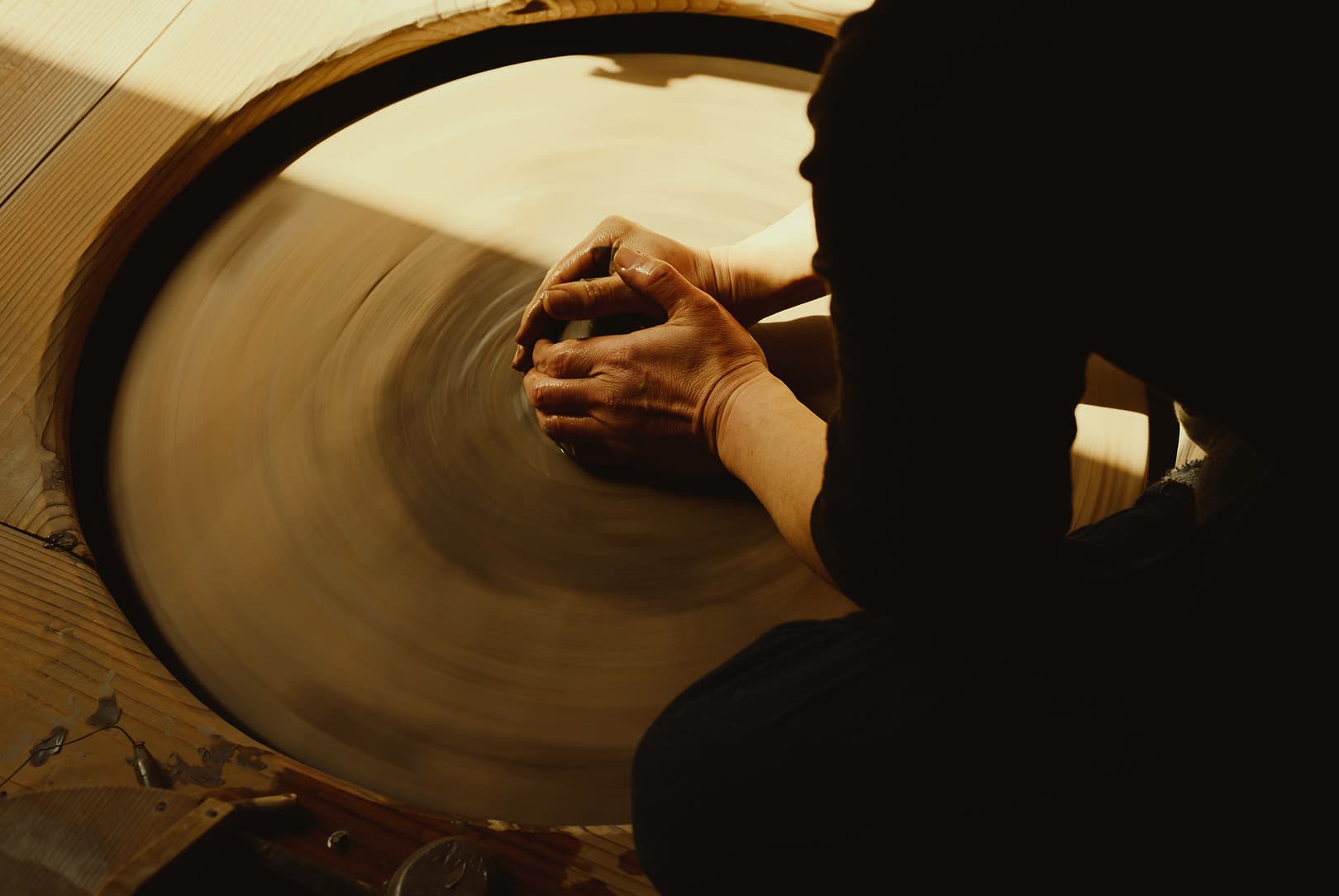
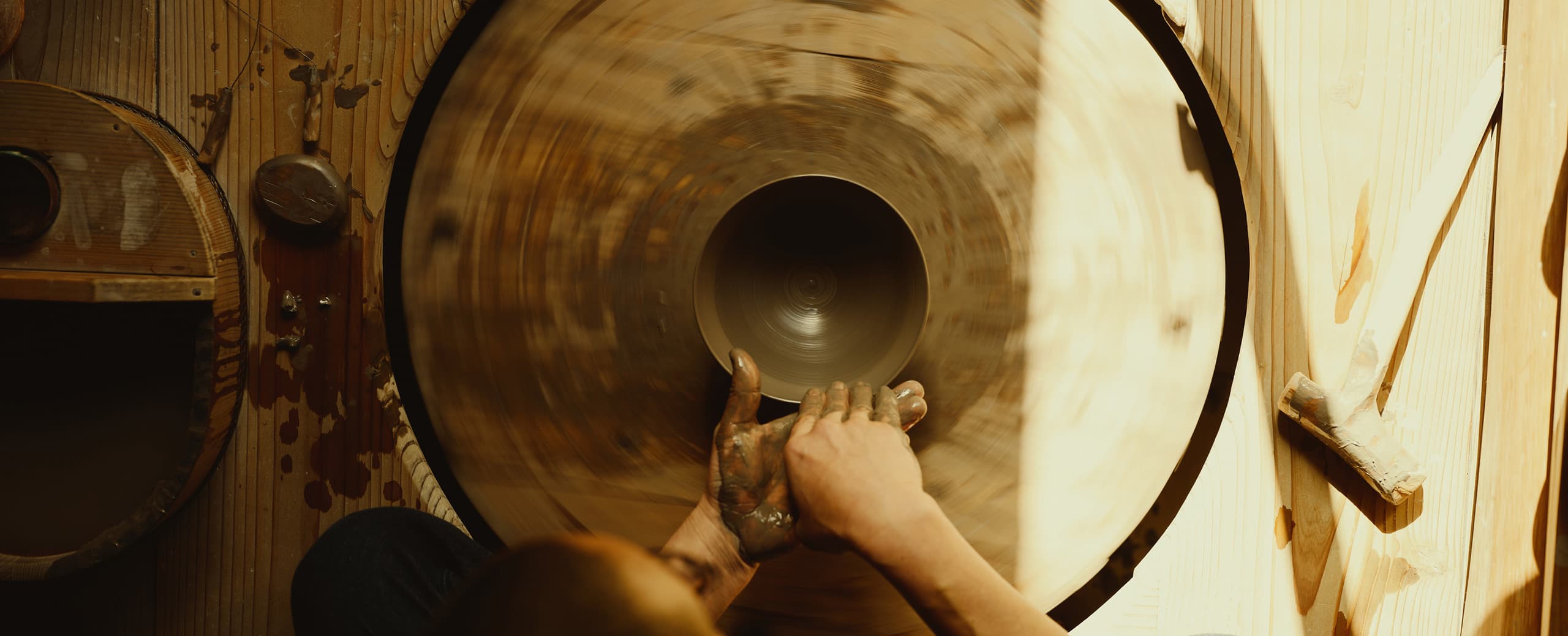
Once softened, he breaks some off and weighs it, taking a bit more away until the ideal weight is achieved. He scoops it up and sits down, cross-legged, on a beige square cushion in front of the wheel, placing the clay in its centre. Natural light from the large window opposite gently illuminates the room. He spins the wheel swiftly with a stick, catching one end in one of four small holes round its edge. And he begins to work it. Within moments the shape of a bowl appears, the sides further refined with delicate finger work. The stick is picked up once or twice to keep the wheel in motion, until the shape is perfected. With a single slice of a wire cutter, Morimoto-san detaches the bowl from the wooden surface. The following day, once the piece is partially dry, it would be turned upside down and trimmed, with the finishing touches made to the base while spinning again, resting on a cylindrical object.
“I think the way we perceive sculptural objects and tableware in a space is very similar. Once I started thinking that way, it became much easier for me to create things.”
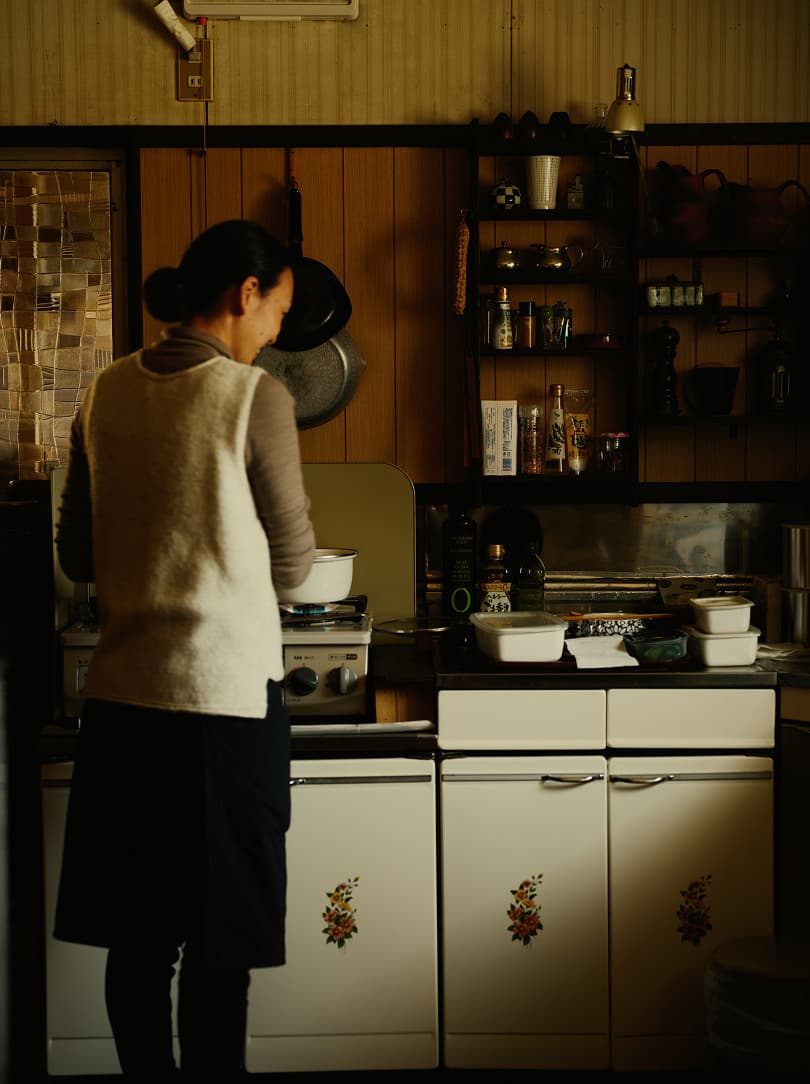
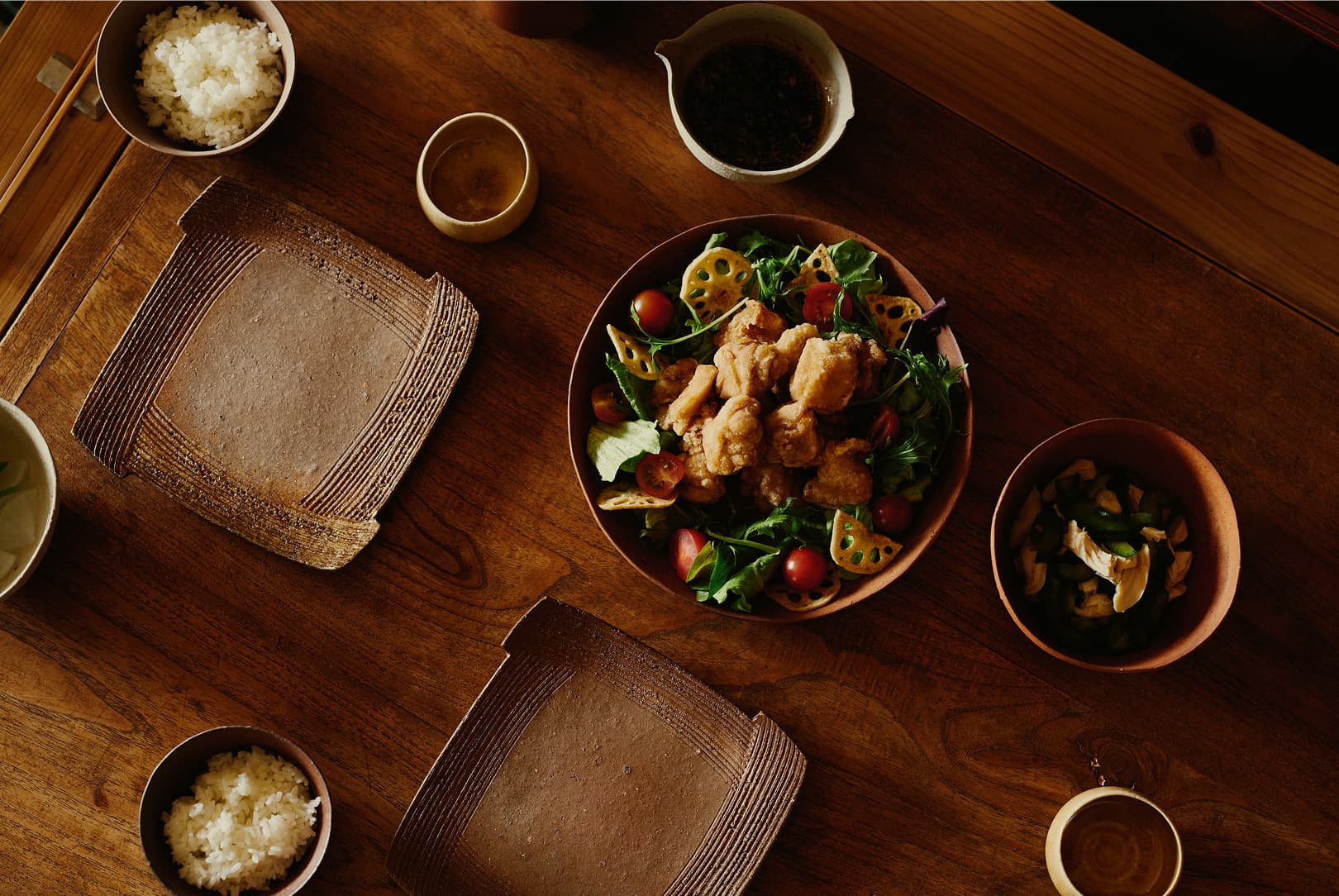
To watch Morimoto-san work is to witness a kind of choreography: graceful, precise, seemingly effortless. We find ourselves mesmerised by his motions – each movement guided by instinct and expression. A delicious savoury scent wafts in from the adjoining kitchen, where Chieko is preparing rice and other dishes for lunch, served on earthy Bizen plates and bowls – a simple yet beautiful tableau in the house’s original kitchen. In creating his pieces, Morimoto-san places equal value on a teacup and a large-scale sculpture. “I think the way we perceive sculptural objects and tableware in a space is very similar,” he says. “Once I started thinking that way, it became much easier for me to create things. I also think about what kinds of things would sit well alongside other objects. So, in that sense, I felt that a vessel and a sculpture are very closely related, and I perceive them as being the same in that regard.”
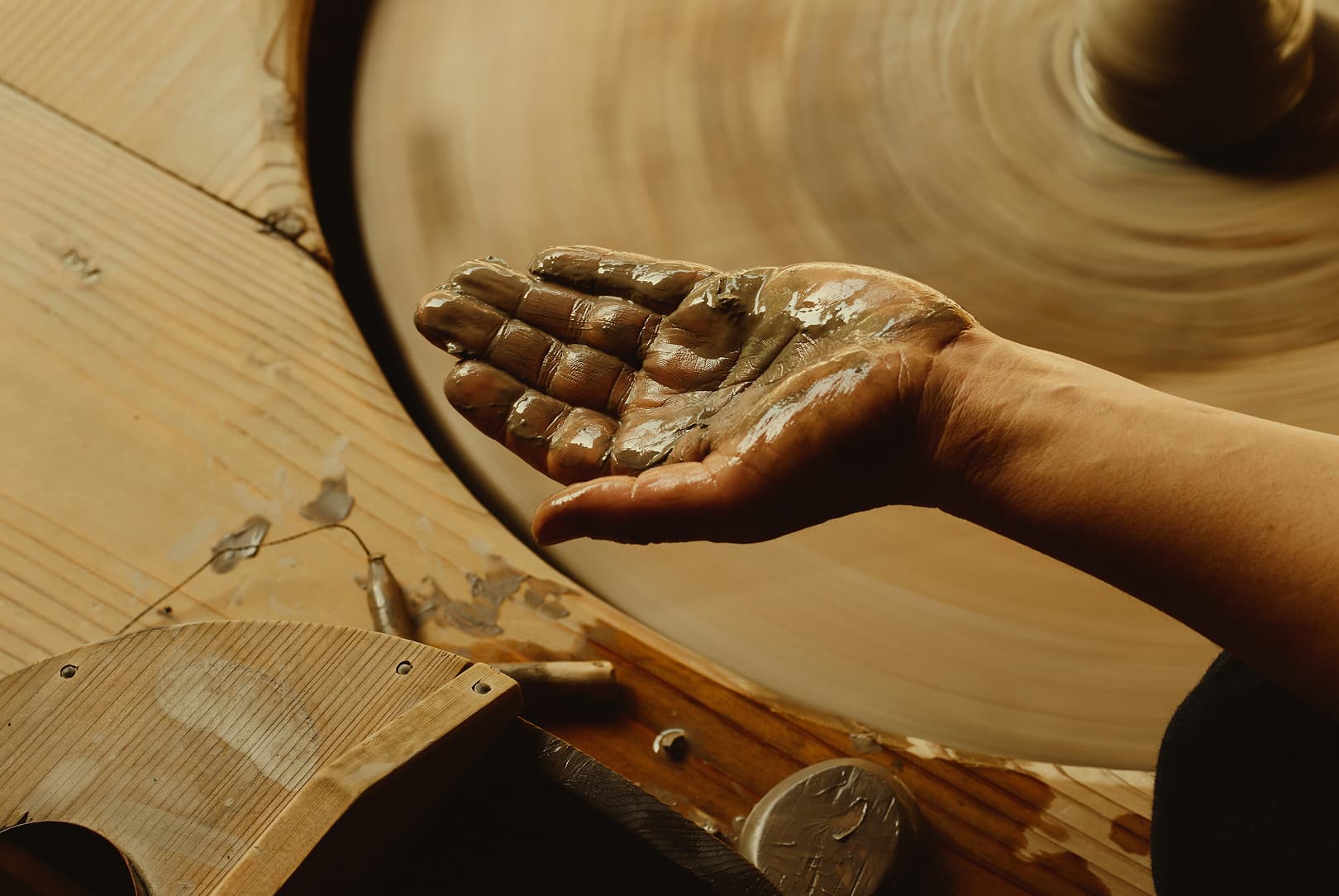
He elaborates on how he sometimes imagines the people who will use his pieces and the situations in which they will be used. “But if I define too much how someone should use them, it becomes constricting, so I want to create things that have as much room for interpretation as possible.”
As we leave the little house, walking past several more shelving units stocked floor to ceiling with hundreds of intriguing pieces, we begin to understand the cyclical nature of the process here – a symbolic journey beginning deep within the earth, moving to the top of the hill, with the soil gradually transforming as it is taken down the hill, step by step, for moulding and firing, before coming back up to the new studio and gallery space as a final, finished product.
“Basically, the earth teaches us to be humble.”
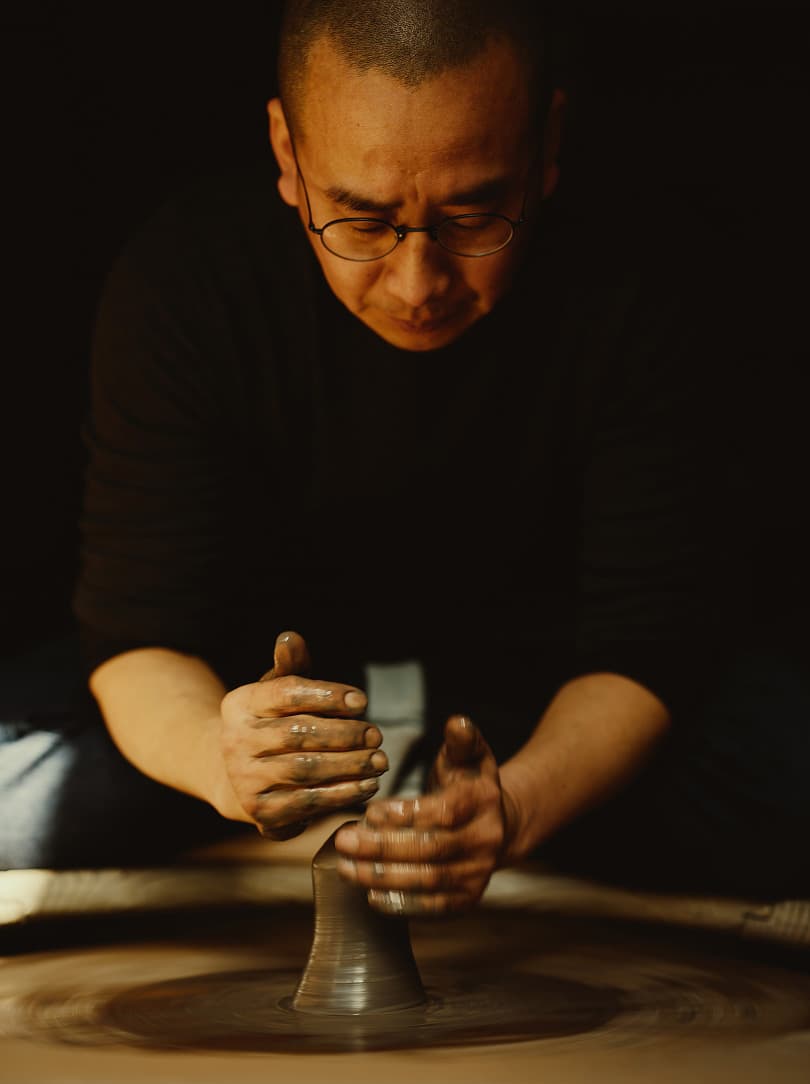
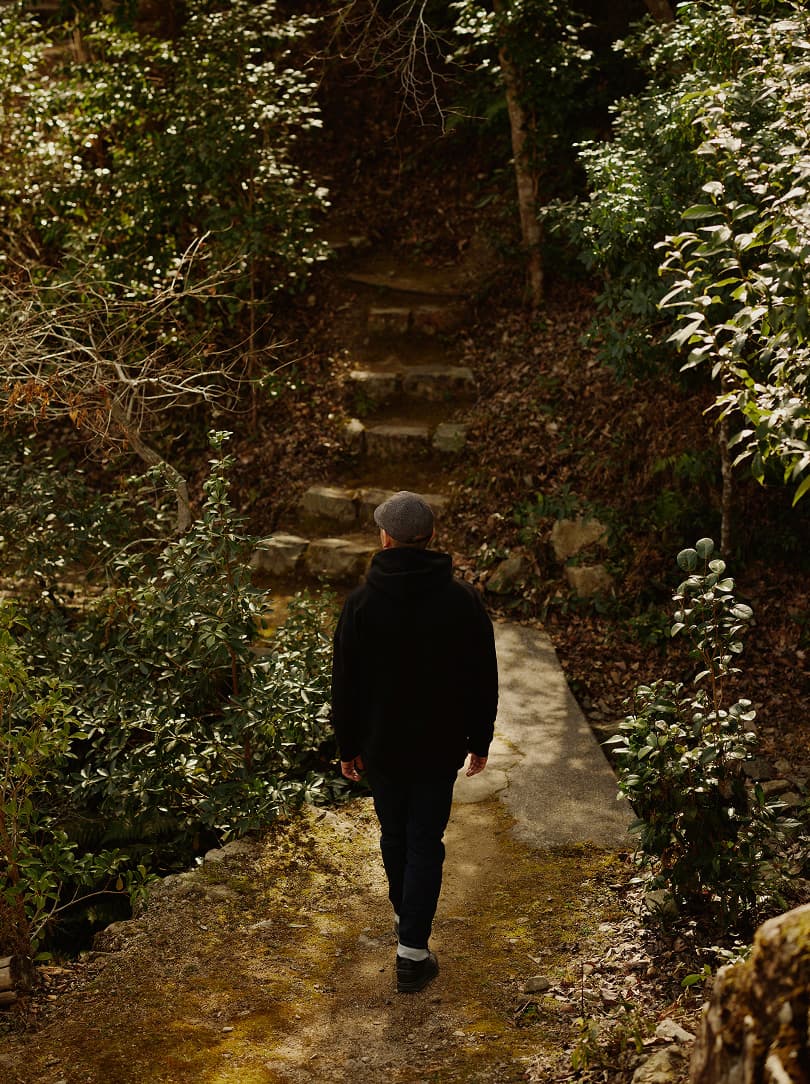
“Basically, the earth teaches us to be humble,” Morimoto-san imparts thoughtfully, as we walk together back up the tarmac road. “I think that in any job, things don’t always go as you wish, but I always maintain that attitude.” Slightly out of breath from the last steep incline, we approach his house and the couple’s three girls come running out, playfully circling us, the youngest hiding shyly behind her mother. The sense of home, family and connection to the land – and to this deeply held craft – is palpable. It feels profoundly meaningful to belong to such a lineage of skill, and to carry it forward for future generations.
As the evening light begins to soften and the studio’s charred cedar façade turns matt black, receding quietly into the landscape, the hills around us settle into dusk. Morimoto-san pauses for a moment. “I believe that being able to do your work properly, on top of everything else, is a truly happy thing,” he says simply. “And if there are people who are happy with what I create – if that number grows – then that is the greatest happiness of all.”