

Listen
to Katherine Kennard
reading this story


THE ART OF ATTENTION
A Refined Life
A refined life is not a life of excess. It is a life of attention.
The cup you reach for every morning, its familiar surface and grounding warmth in the palm of your hand. The leather bag that has accompanied you to work and on journeys, softening with every use, retaining its quality while acquiring marks whose origins you remember. It is knowing where the afternoon light falls in a room, and placing a chair there; noticing how it reveals different facets of colour in a treasured object. Or setting the table with care even when eating alone.
None of this is inherently exceptional. It is in the everyday, even the mundane, that beauty, pleasure and ritual emerge. Refinement doesn’t have to remove us from ordinary life; it can bring us into closer contact with it. What matters is less what surrounds us than the quality of attention we bring to it.
Contemporary ideas of refinement have become visually coded: certain interiors, clothes, hotels, restaurants and objects. It can easily become synonymous with taste, expense or aesthetic perfection. But none of these demonstrates discernment or attention in itself. The ordinary is where refinement is practised. Yet attention alone is not enough. To notice is also to discern: to recognise what deserves our time, what rewards repeated use, what should be maintained rather than replaced, and what might simply be allowed to pass.
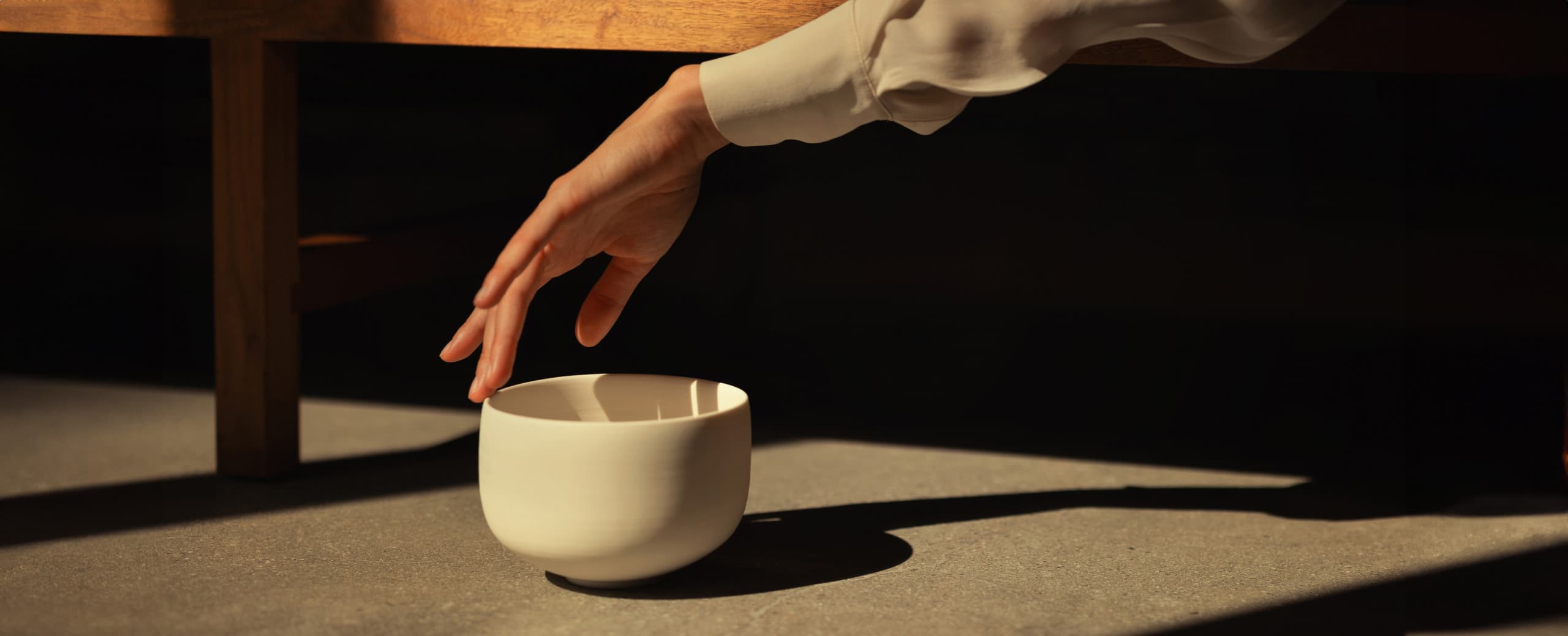
Discernment also requires conviction. Choosing carefully means accepting that not everything deserves a place, and that protecting what matters can sometimes mean resisting convenience, novelty or compromise. Attention reveals nuances in material and provenance, in the individuality of imperfection, and in the feelings something can evoke. Once we notice more closely, we become better able to distinguish between novelty and lasting value; abundance and sufficiency; something merely attractive and something that deserves a place in our lives.
That is not to say that possessing fewer things is fundamentally better. Abundant bookshelves, a maximalist dinner table, a dedicated collection accumulated over decades or an exuberant garden can all belong within a refined life. The distinction lies in meaning rather than quantity. William Morris, the 19th-century English textile designer and poet, believed that beauty could not be separated from the way things are made, used and lived with. An object isn’t valuable simply because it looks beautiful. Its materials, usefulness, durability and relationship to everyday life all matter.
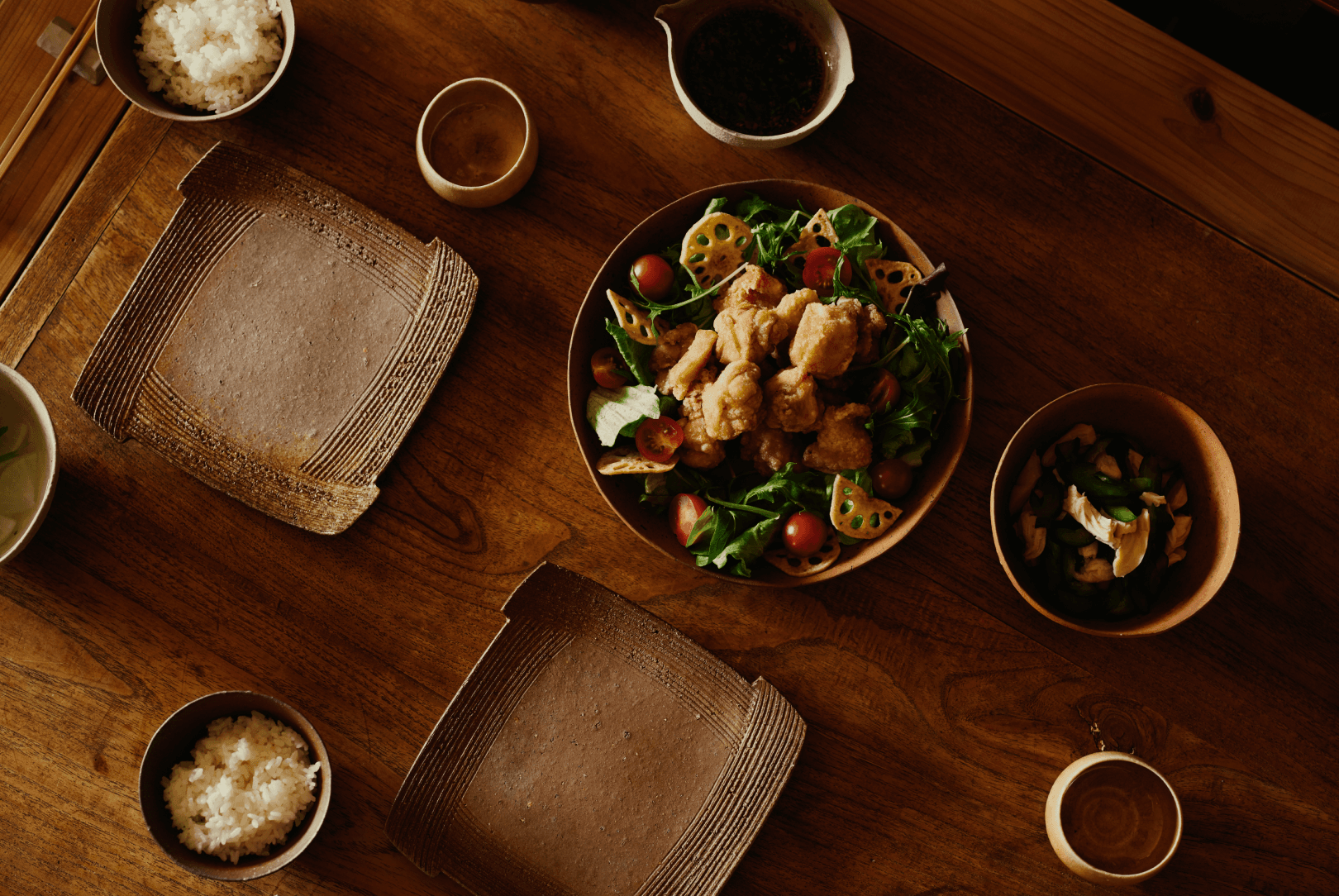
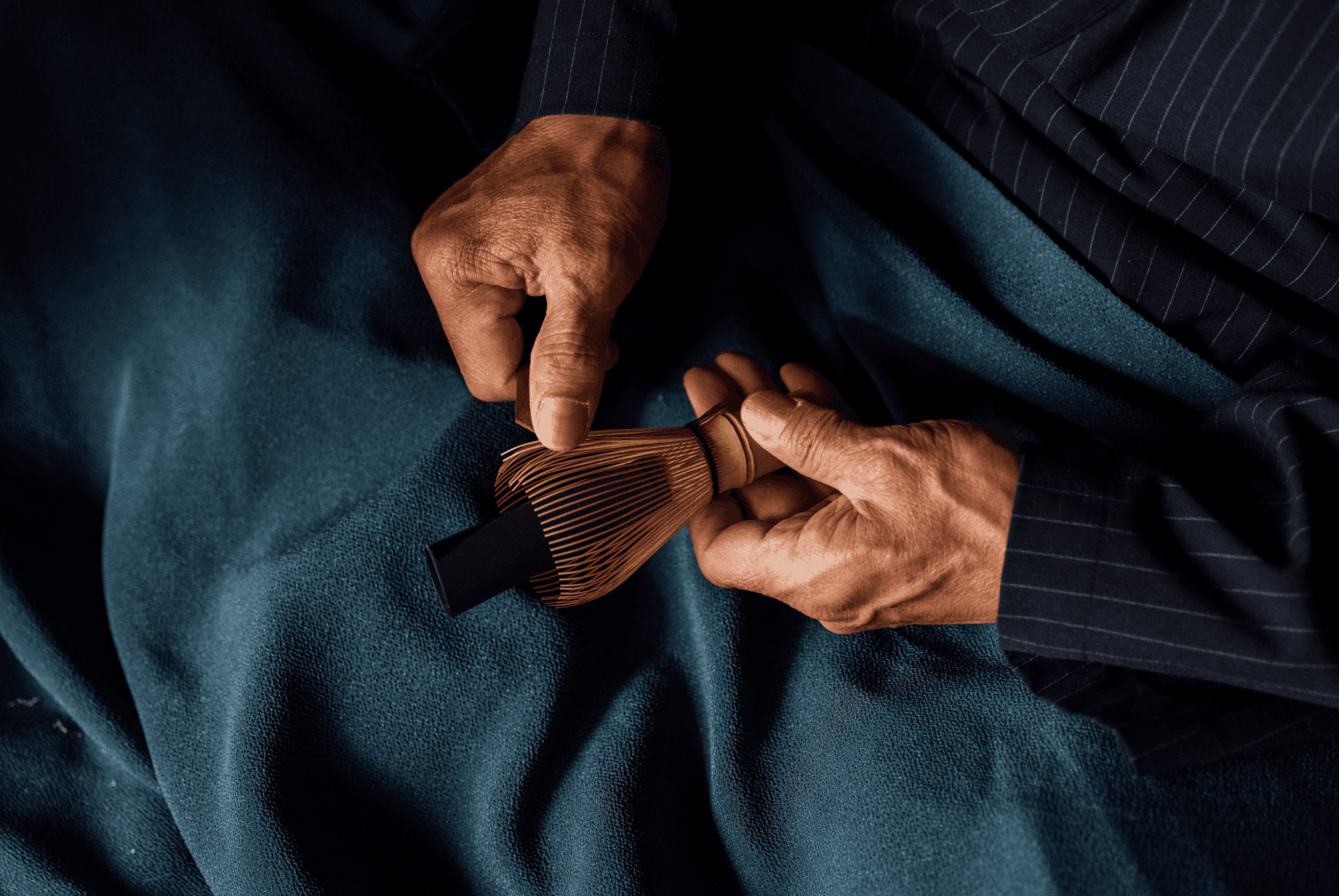
For Morris, this extended to the maker. He believed that work should contain genuine pleasure for the person doing it. An object, then, carries something of the skill, labour and humanity of the hands that created it. Value can also deepen through our own relationship with an object. Through use and familiarity, objects can acquire rather than lose value. A cup becomes ‘your’ cup. Linen softens, leather creases, wood records use and an inherited object accumulates associations no new object can reproduce.
Selection itself requires discernment. Finding the pearl means recognising what is worth keeping and what can be left where it is. Much of our relationship with objects is focused on the moment of acquisition, when in many ways that is only the beginning. Oiling wood, sharpening a knife, polishing shoes, replacing a button on a shirt: these apparently unremarkable acts are strong expressions of value.
Beauty can emerge through care rather than being something pristine that must be preserved against life. A scratched but well-cared-for table can be beautiful because friends and family have gathered around it for years. Brass tarnishes. Gardens escape their boundaries. Even the most minimal surroundings can take on warmth through use, familiarity and the traces of life.
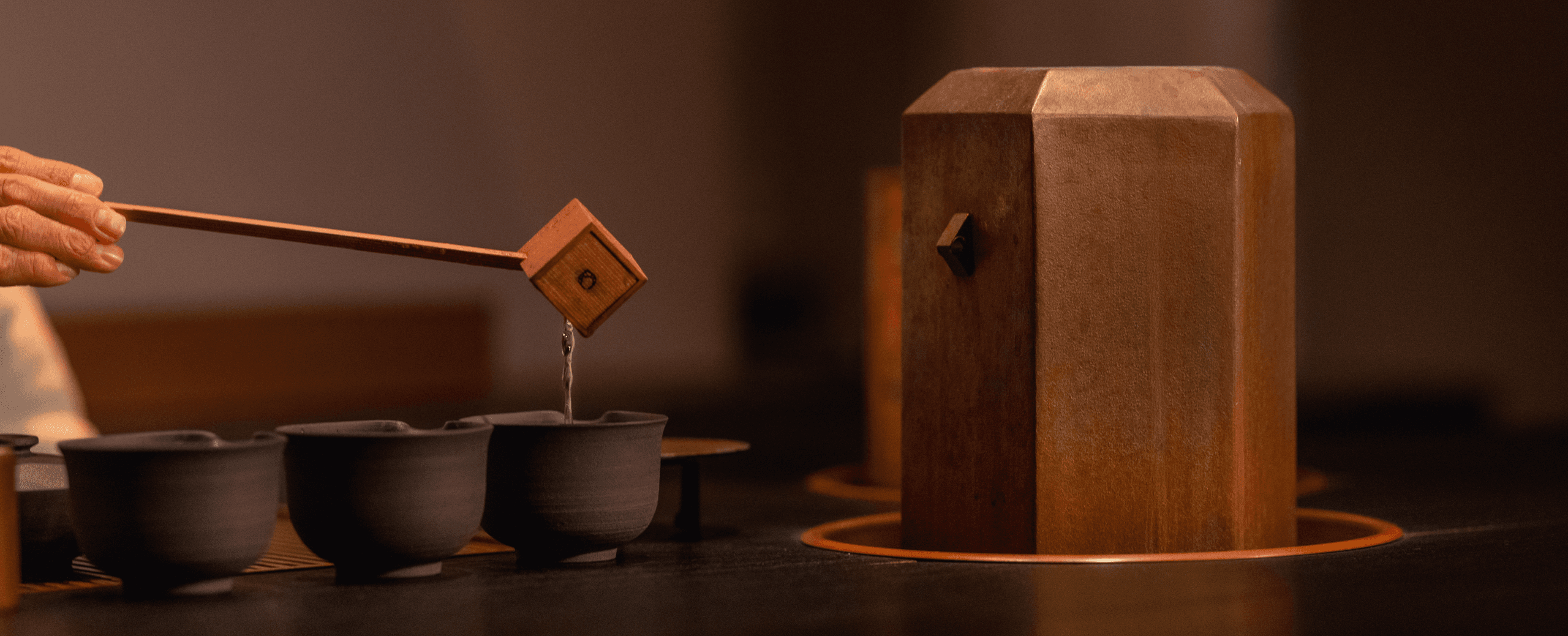
Caring for something needn’t mean keeping it safely out of reach. Favourite objects can be brought into daily life, allowed to enrich the everyday and to ‘live’ alongside us. Japanese philosopher Yuriko Saito describes a reciprocity in this relationship: everyday objects support and facilitate our lives, and in return we assume responsibility for maintaining them. In a culture in which replacement is often easier than repair, maintenance can seem almost counterintuitive. Yet keeping something in use establishes a different relationship with ownership. It allows its value to accumulate over time. A repair, a rounded edge or a faded surface need not diminish an object; each can become part of its history.
Care changes things. It also changes the person doing the caring. It teaches patience, knowledge and responsibility. To care for something properly is to learn its particular needs: which materials improve through use, which require protection, what can be repaired and what should simply be allowed to age. Such knowledge develops through repeated contact and observation.
Our attention to the world around us is often dominated by sight. We encounter rooms, restaurants, clothes and landscapes as images before experiencing them physically, and beauty can increasingly become something designed to be looked at rather than lived with. Yet our experience of a place, and our memory of it, is formed by much more than what meets the eye. Finnish architect and thinker Juhani Pallasmaa has written extensively about the dominance of vision in contemporary culture. In his book ‘The Eyes of the Skin’, he discusses an architecture that engages the whole body, reminding us that our understanding of a space is shaped by touch, sound, scent and even temperature as much as by sight. A room may draw us in through its proportions or natural light, but it’s the smooth coolness of a door handle, the texture of a floor beneath bare feet or the acoustics of conversation that turn looking into inhabiting.
The same is true of the objects we live with. Part of the pleasure of a ceramic cup lies in its weight and balance, the texture of its surface and the way its rim meets the lips. Clothes feel and sound different as the body moves. Over time, such sensory impressions become so familiar that we may barely register them until we encounter their absence.
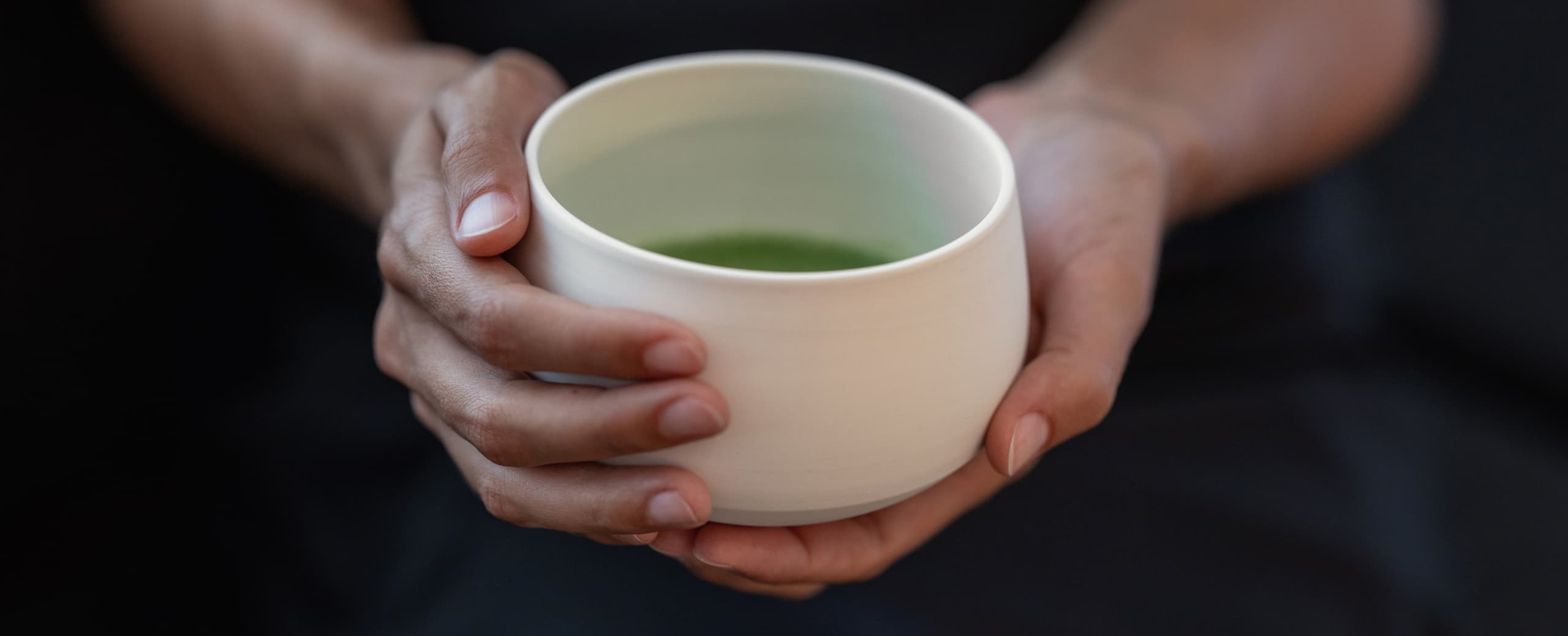
Atmosphere is difficult to isolate in any single detail. A room can photograph beautifully and still feel strangely empty; another may be visually imperfect yet make us reluctant to leave. Often, what creates that feeling is an accumulation of subtle elements, like materials and the relationship between indoors and out. Refinement, in this sense, lies in creating the conditions in which life can be fully experienced rather than arranging it for display.
Nature perhaps makes this most apparent. A landscape is more than a view. It is the dampness of the air after rain or the relief of stepping from the summer heat into the shade of an ancient olive tree. Some of life’s most affecting forms of beauty cannot be possessed at all.

Refinement also resides in how we do things. There’s a particular satisfaction in giving an ordinary task our full attention, because doing something well can be meaningful in itself. In his book ‘The Craftsman’, sociologist Richard Sennett describes craftsmanship as a fundamental human impulse: the desire to do a job well for its own sake. His definition reaches far beyond the traditional workshop, encompassing an attitude towards whatever we are doing and a willingness to become absorbed in it, develop knowledge through repetition and care about the quality of the outcome even when nobody else will see it.
This can transform the routines that structure everyday life. Wrapping a gift with attention, for instance, is different from striving for an elaborate or immaculate result. The value lies in the consideration given to the act itself, including the material in our hands and the person who will eventually open it. Ritual doesn’t need to be solemn or reserved for special occasions. It can simply give shape and significance to something we do repeatedly, asking us to inhabit the moment rather than hurry through it on our way to something supposedly more important. Refinement is not a performance but a practice, embedded in the ordinary parts of a day.
There is another dimension to refinement that has little to do with objects or surroundings: how we make other people feel. If attention sharpens our awareness of the world, it can also make us more attuned to those with whom we share it. Hospitality is one expression of this. At its most meaningful, hospitality begins with paying close enough attention to understand what might make another person feel welcome, at home and at ease. There is no formula, because consideration depends on the individual. It requires the sensitivity to notice, respond and, when necessary, adjust. Display asks to be noticed; hospitality notices someone else.
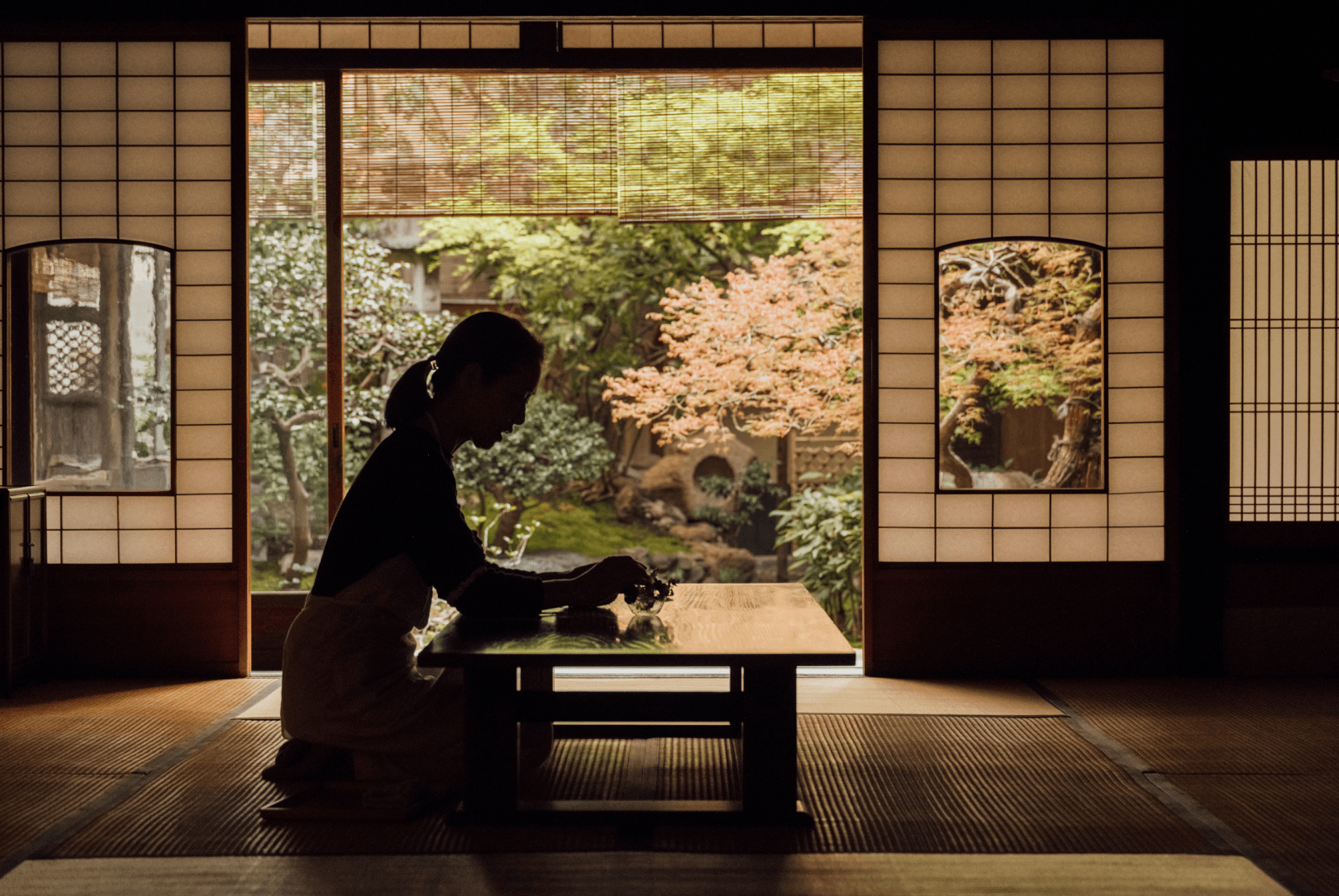
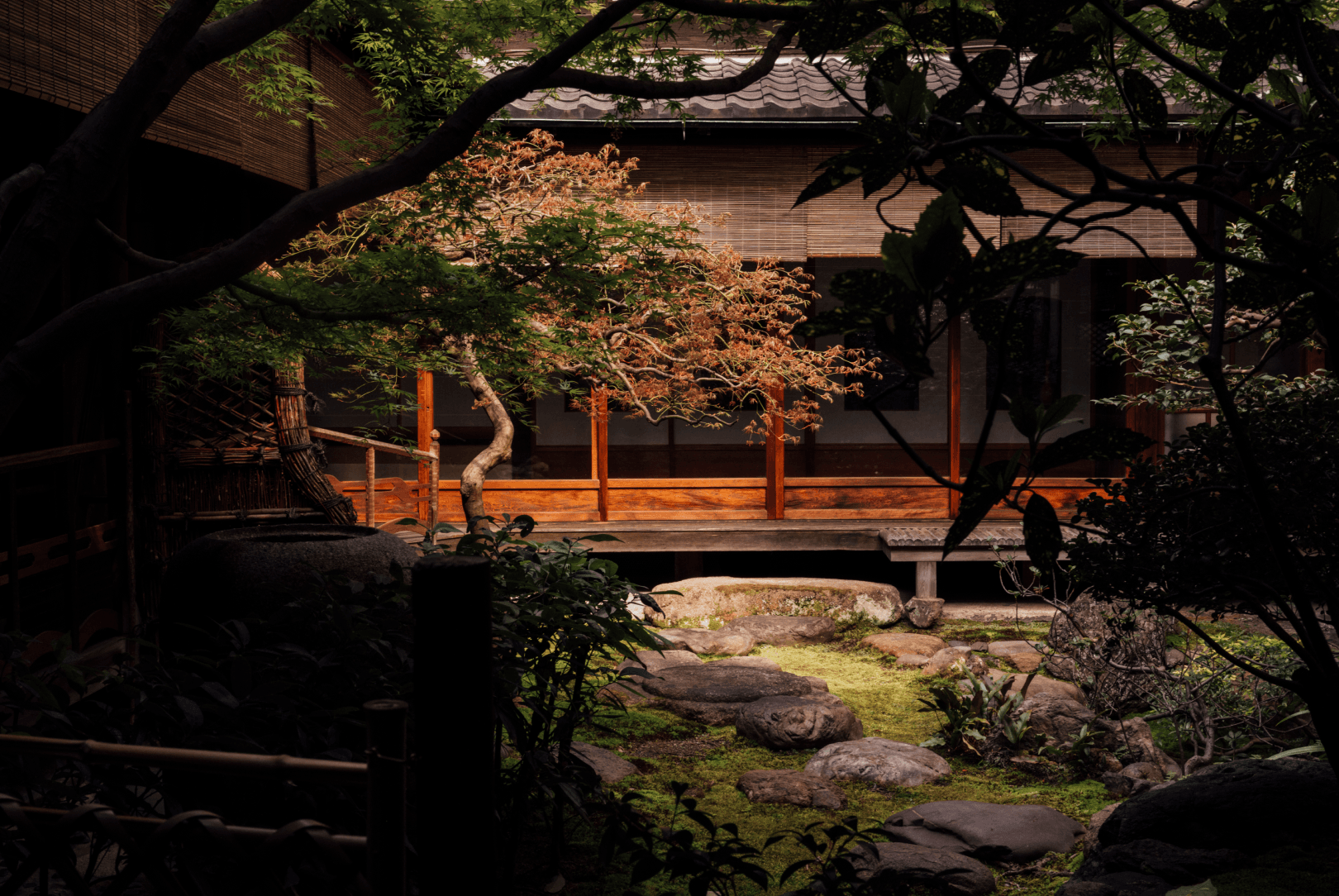
The most thoughtful hospitality can therefore be almost invisible, creating the conditions in which someone can simply settle and lose track of time. And this consideration can move both ways. A guest, too, can pay attention: recognising the thought behind a welcome, responding to the rhythms of another person’s home and contributing to the atmosphere in return. Hospitality becomes reciprocal, a form of mutual regard.
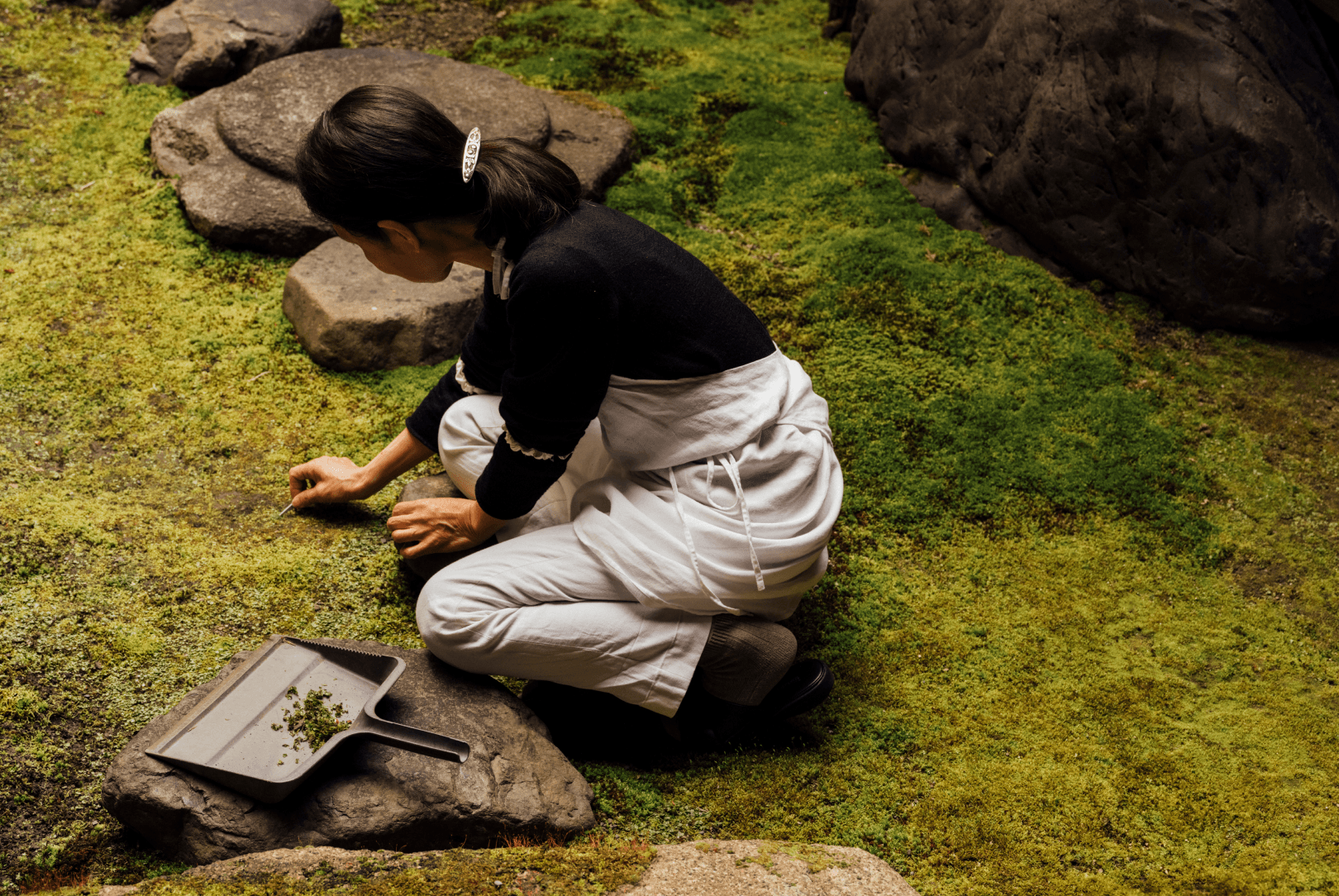
But this kind of consideration doesn’t have to be reserved for guests. The same attention can shape how we inhabit a home in daily life and how we treat ourselves within it. Our choices and actions affect the experience of those around us. A refined life is continually shaped by what we choose to value and preserve, as well as what we allow ourselves to let go.
The question, then, is not how much we can acquire, but what is worth keeping. The answer extends far beyond possessions. It might be a skill passed from one generation to another, a friendship given the time to deepen, or a recipe made so often that measurements are no longer needed. It may simply be a way of doing something that still has meaning, even when a faster alternative exists.
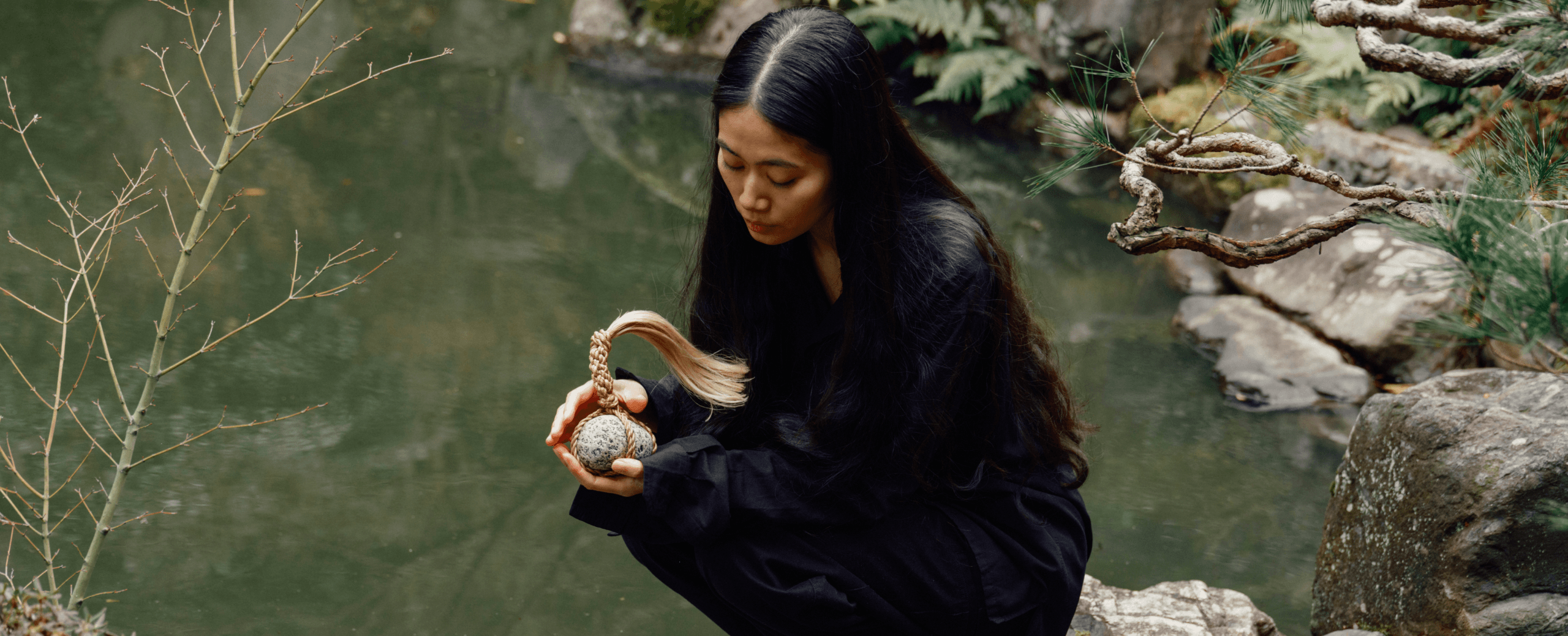
Over time, refinement becomes less an expression of taste than a way of moving through the world. It develops through practice, reflected in what we choose, how we care for it and what we offer to others. That’s what we believe in at AGOBAY. Attention can make our experiences more vivid, deepening the pleasure of what is familiar and allowing us to inhabit both quiet and exuberant moments more fully.
A refined life may ultimately be a simple proposition: to recognise what matters and give it the attention it deserves.